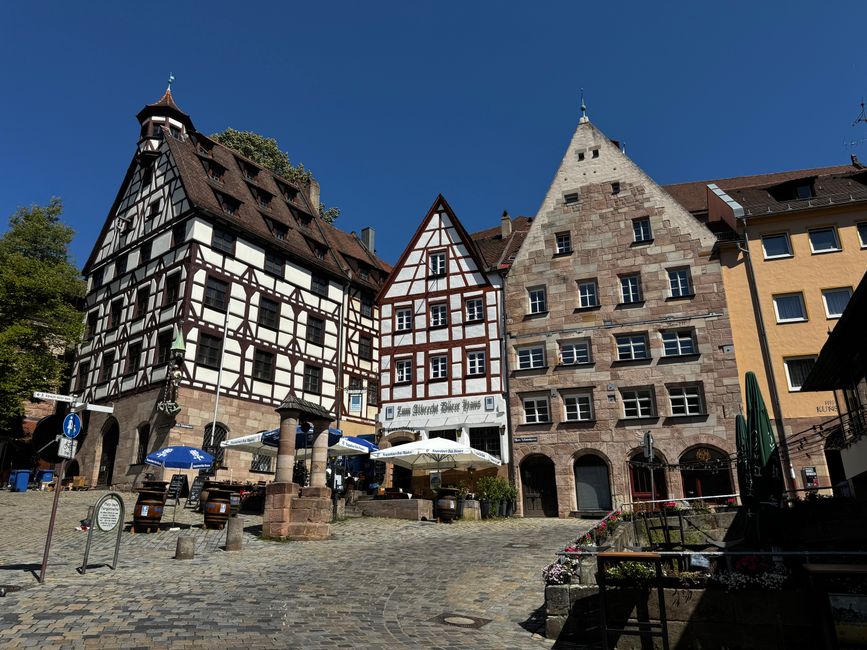
Germany’s festive season is set to welcome millions of international guests as the country’s iconic Christmas markets prepare to open their gates for the 2026 holiday season. For Americans traveling to Germany, this period represents the peak of winter tourism, bringing both vibrant cultural experiences and significant logistical challenges.
These markets, known locally as Weihnachtsmärkte, are not merely commercial hubs but central pillars of German social life. They feature traditional crafts, regional foods, and historical decorations that have evolved over centuries. The sheer scale of the event impacts transportation networks, hotel availability, and local infrastructure across major cities like Nuremberg, Dresden, and Munich. Understanding the depth of this seasonal tradition is essential for anyone planning to visit during this busy timeframe.
What This Means for American Travelers to Germany
The influx of visitors during the fourth quarter creates a competitive environment for accommodations. US tourists in Germany should anticipate higher hotel rates and stricter cancellation policies. Flight prices from major US hubs to Frankfurt and Munich typically surge three to four months before the holidays. While no visa is required for stays under ninety days, Americans must ensure their passports are valid for at least six months beyond their entry date. Currency exchange rates for the Euro often fluctuate during this period, so locking in favorable rates before departure can save money. Additionally, winter weather in northern Germany can disrupt train schedules, affecting inter-city travel plans.
Travel Tips for Americans Visiting Germany
- Book accommodations early. Secure lodging in Nuremberg or Dresden by early summer. The oldest Christmas market in the world draws thousands of daily visitors, and central hotels sell out months in advance.
- Master the cash etiquette. While card payment is growing, many smaller market stalls and food vendors still prefer cash. Carry sufficient Euros in smaller denominations to avoid waiting in long lines for change.
- Learn basic German phrases. A simple Guten Tag or Danke goes a long way. Local vendors respond positively to an effort in language, and it helps avoid misunderstandings in busy market settings.
- Check train schedules daily. Winter storms can cause delays on the Deutsche Bahn network. For visiting Germany from the US, build buffer time into your itinerary to avoid missing connections to secondary markets.
American travelers should check the latest U.S. State Department travel advisory for Germany before booking.
Photo by Bernhard Egger on Pexels
Source: The Economic Times