Morocco has emerged as a premier destination for Americans traveling to Morocco due to its distinct fusion of African, Arab, and European cultural influences. While the country has long been a staple on the European tourist trail, rising interest from global creators underscores a shift in how the nation is perceived by Western visitors. The country functions as a bridge between ancient traditions and modern hospitality, creating an environment that feels simultaneously exotic and approachable.
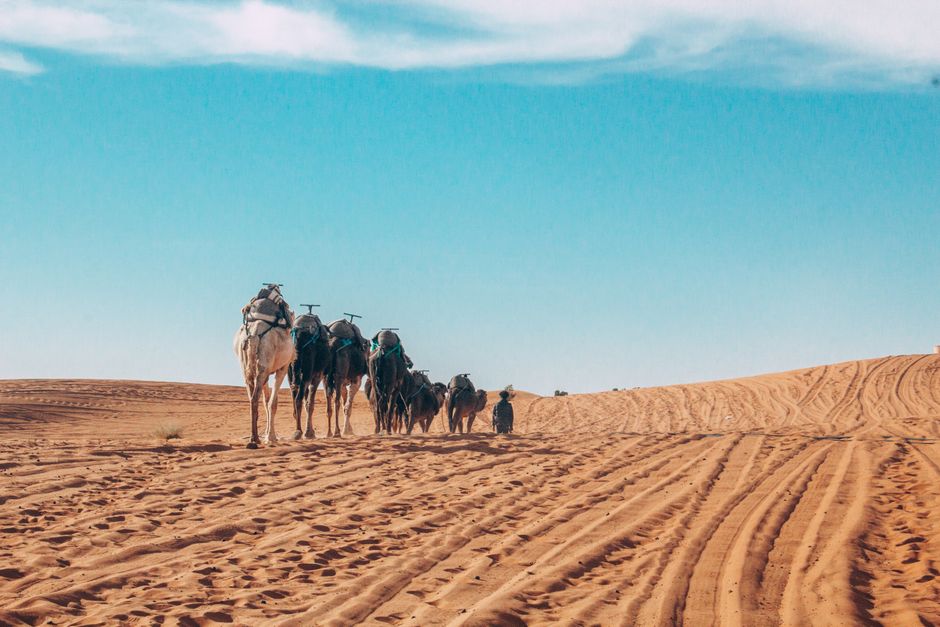
The Moroccan travel experience centers on sensory immersion. Visitors encounter a hospitality culture built around elaborate tea rituals and a complex culinary scene dominated by slow-cooked tagines and vibrant street food. Beyond the food, the country boasts a legacy of intellectual history, exemplified by the University of Al Quaraouiyine in Fez, established in 859 CE. The landscape itself shifts rapidly from the azure-washed alleys of Chefchaouen to the arid reaches of the Sahara, providing a visual variety that draws film productions and photographers from around the globe.
What This Means for American Travelers to Morocco
For US tourists in Morocco, the primary benefit is the favorable exchange rate that stretches a travel budget significantly further than in Western Europe. Luxury accommodations, which might cost a premium in Paris or London, often remain accessible at a fraction of the price. Logistically, visiting Morocco from the US has become more straightforward, with major hubs like Casablanca serving as the primary entry point for international flights. Safety remains a standard consideration; while major tourist centers are generally secure, visitors must maintain situational awareness in crowded souks and remote regions. English is increasingly spoken in hospitality sectors, though French or Arabic remains highly beneficial for deeper engagement with local merchants and residents.
Travel Tips for Americans Visiting Morocco
- Master the Currency: Carry local cash for street food and market purchases, as many vendors in the medinas do not accept credit cards or digital payments.
- Respect Local Customs: Dress modestly when visiting religious sites or rural villages to align with local cultural expectations regarding attire.
- Leverage Professional Guides: Hire certified local guides for the labyrinthine medinas of Marrakech and Fez to ensure an efficient experience and avoid common tourist traps.
- Prioritize Seasonal Planning: Schedule trips during the shoulder seasons of spring and autumn to avoid the extreme heat of the desert summer and the chill of the Atlas Mountain winters.
American travelers should check the latest U.S. State Department travel advisory for Morocco before booking.
Photo by Abdelaziz Baba on Pexels
Source: Times Now