Antigua and Barbuda, alongside Dominica, recently finalized agreements with the United States to accept asylum seekers currently held within American borders. The government of Antigua and Barbuda confirmed the signing of a non-binding memorandum of understanding intended to distribute the administrative burden of regional refugee management. This policy shift follows similar diplomatic maneuvers in Dominica, where Prime Minister Roosevelt Skerrit framed the arrangement as a strategic collaboration following recent US-imposed visa restrictions on his nation.
Dominican officials face mounting pressure to clarify the scope of the agreement, as local opposition leaders highlight a lack of transparency regarding housing, funding, and the total volume of individuals expected to arrive. For the Caribbean region, these deals represent a complex trade-off between diplomatic standing with Washington and the immediate strain on domestic infrastructure. While the Antigua and Barbuda administration maintains that these measures align with global responsibilities, the sudden shift has sparked public debate regarding the long-term impact on local resources and public services.
What This Means for American Travelers to Antigua and Barbuda
Americans traveling to Antigua and Barbuda will likely see minimal disruption to standard vacation itineraries, as these agreements focus on administrative and humanitarian processing rather than tourism infrastructure. However, the political climate remains fluid. US tourists in Antigua and Barbuda may encounter heightened security presence or increased bureaucratic scrutiny at ports of entry as regional authorities adjust to new international obligations. Direct flights from major US hubs remain operational, and visa requirements for American citizens have not changed. Travelers should anticipate potential delays if local protests or civil discussions regarding the migration deal materialize in urban centers near St. John’s. Costs for hospitality and local services could fluctuate if the government redirects public funds to support these new arrivals, though high-end resorts typically operate independently of these national shifts.
Travel Tips for Americans Visiting Antigua and Barbuda
- Monitor local media sources in St. John’s for updates on public gatherings that could impede transportation or access to government facilities.
- Keep digital and physical copies of all travel documentation, including return flight itineraries and proof of accommodation, to expedite entry through customs.
- Maintain situational awareness when visiting public areas, as local political sentiment regarding the refugee agreement may occasionally lead to localized unrest.
- Confirm any changes to entry protocols with your airline or resort before departure to ensure your trip remains unaffected by shifting regional immigration policies.
American travelers should check the latest U.S. State Department travel advisory for Antigua and Barbuda before booking.
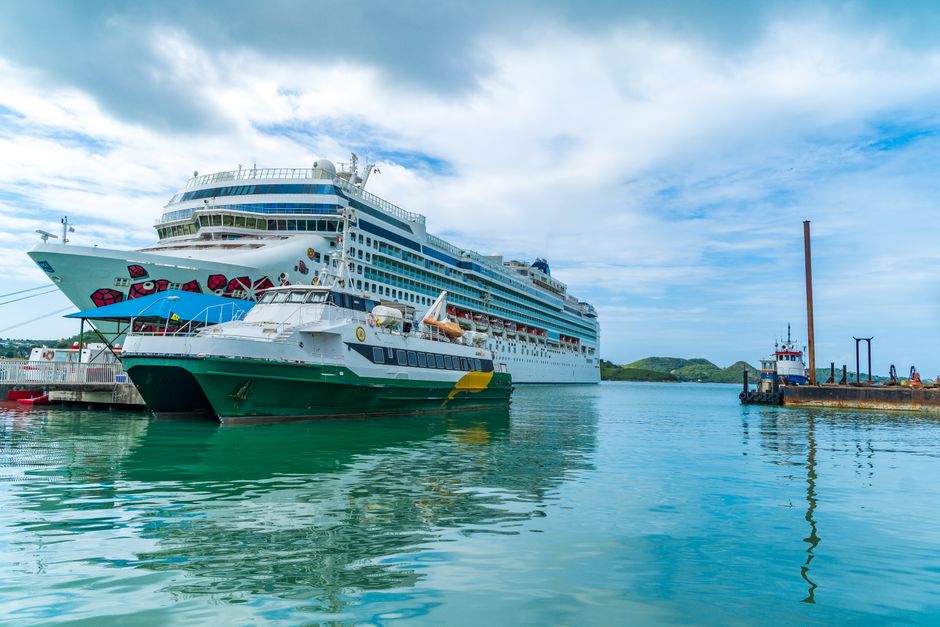
Photo by Duren Williams on Pexels
Source: Livemint