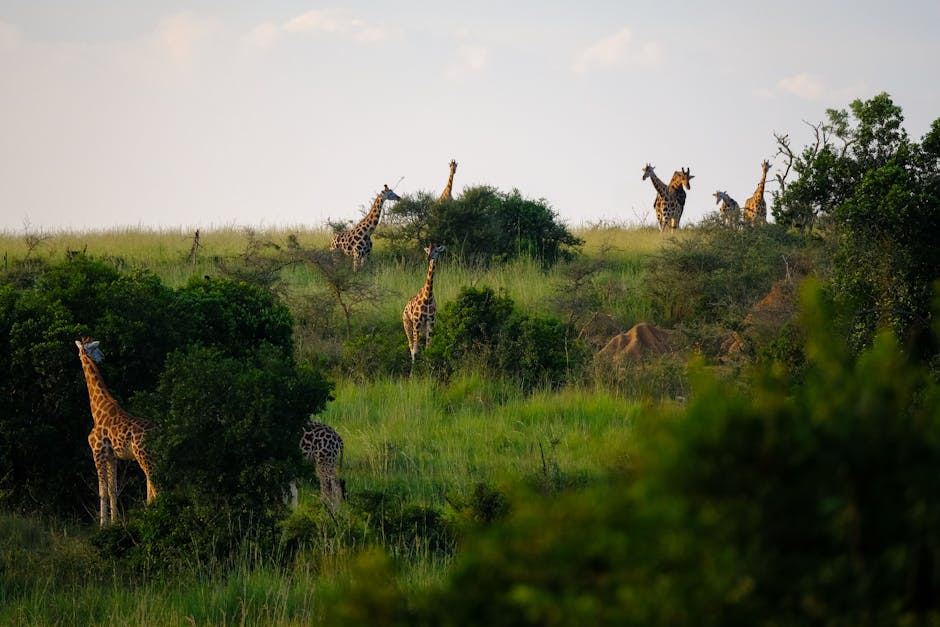
Uganda wildlife officials have begun moving twelve endangered Nubian giraffes from Murchison Falls National Park to the Ajai Wildlife Reserve. This strategic translocation aims to secure a future for the species as heavy industrial activity threatens their traditional habitat. The animals, which are the tallest land mammals on Earth, are being driven approximately 65 miles to a new protected zone.
The decision stems directly from the aggressive expansion of oil operations within Murchison Falls. Approximately forty percent of the nation's known oil reserves lie within or near the park. Since mid-2023, major international energy firms have escalated drilling efforts, bringing heavy machinery into sensitive ecological areas. Conservation leaders argue that this industrial presence, combined with climate shifts and invasive plant species, is shrinking the viable range for giraffes. By establishing a "seed population" in a separate but nearby reserve, authorities hope to create a safety net. If drilling causes significant damage to the Murchison Falls habitat, the Ajai population will ensure the survival of the subspecies. The Ajai reserve, established in 1937, is currently undergoing a major ecological restoration. Rangers have already reintroduced other key species, including white rhinos, buffalo, and zebras. Early reports indicate these animals are thriving and reproducing successfully in their new environment.
What This Means for American Travelers to Uganda
For Americans traveling to Uganda, this move signals a shift in the safari landscape. Murchison Falls remains a premier destination, but the presence of oil infrastructure may alter the visitor experience in certain sectors of the park. US tourists in Uganda should expect increased traffic from heavy vehicles on park roads during drilling phases. However, the revitalization of Ajai Wildlife Reserve opens new opportunities for exclusive game viewing. Visitors who previously faced crowded lodges in Murchison Falls may find better availability and lower prices at Ajai. This diversification of Uganda tourism sites means more options for those visiting Uganda from the US who want to avoid peak congestion. Flights into Entebbe remain the primary entry point, and ground transportation to both reserves is well-established. There are no new visa restrictions specifically tied to this relocation, but travelers should monitor local news for any temporary road closures caused by heavy equipment movement.
Travel Tips for Americans Visiting Uganda
- Book early for Ajai Reserve: As the site gains recognition for its returning wildlife, availability for high-end lodges may tighten. Americans planning a multi-park safari should secure reservations at Ajai simultaneously with Murchison Falls.
- Expect road disruptions: Heavy oil machinery uses park access roads. Allow extra travel time between stops, especially during early morning hours when both wildlife activity and industrial movement peak.
- Support community-led conservation: Local communities near Ajai now receive a portion of tourism revenue. Staying at locally owned camps directly supports the anti-poaching efforts that protect the reintroduced giraffes.
- Check park entry fees: Rates for new or re-established reserves can differ from major national parks. Verify current fee structures for US citizens to budget accurately for your Uganda travel tips itinerary.
American travelers should check the latest U.S. State Department travel advisory for Uganda before booking.
Photo by Francesco Ungaro on Pexels
Source: Boulder Daily Camera