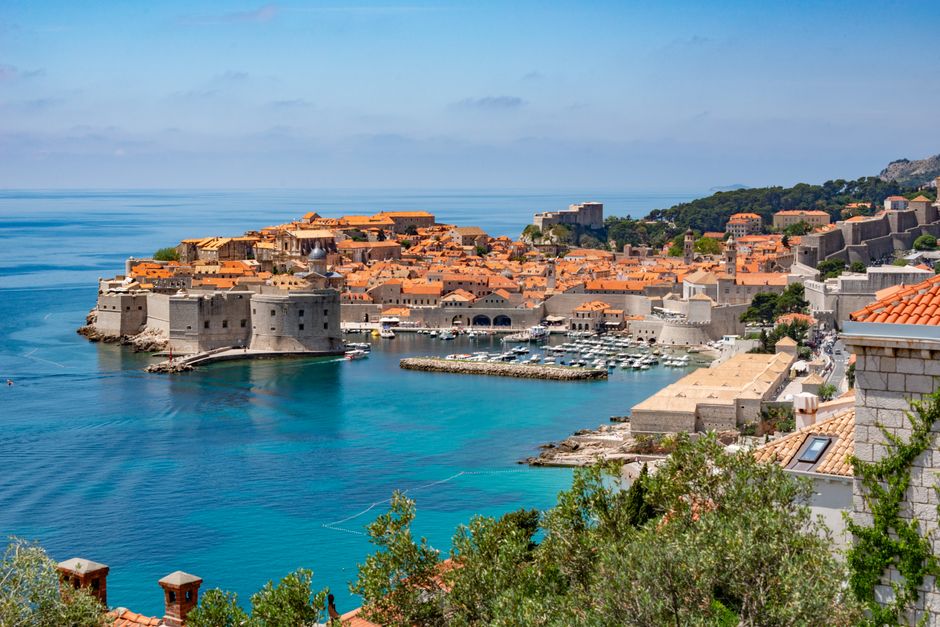
Croatia remains a premier destination for Americans traveling to Croatia, yet the traditional Mediterranean summer experience is undergoing a fundamental transformation due to extreme heat. As record-breaking temperatures frequently climb into the 40s Celsius across Southern Europe, the travel industry is witnessing a pivot toward "coolcations"—trips prioritized by moderate climates rather than sweltering beaches. While Croatia continues to draw massive crowds, the intensity of recent heatwaves has forced a shift in how travelers approach the country, moving away from mid-summer peak heat toward shoulder-season exploration.
This trend reflects a broader global movement where vacationers actively avoid regions prone to drought, wildfires, and urban heat alerts. While the allure of the Adriatic remains strong, travel data indicates that tourists are increasingly wary of booking trips to regions where extreme weather might restrict outdoor activities or necessitate staying indoors for safety. The traditional Mediterranean model, defined by relentless sun and high-density coastal resorts, is being challenged by a desire for comfort and reliability. Travelers who once sought the hottest possible climate are now prioritizing destinations where the mercury stays in the low-to-mid 20s, ensuring that sightseeing, hiking, and cultural engagement remain feasible throughout the day.
What This Means for American Travelers to Croatia
For US tourists in Croatia, this shift creates a distinct logistical advantage for those who adjust their calendars. Booking flights and accommodation during the shoulder months—specifically late May, early June, or September—now offers a more temperate climate compared to the punishing heat of July and August. From a financial perspective, visiting Croatia from the US during these periods often results in lower airfare and reduced lodging costs, as demand softens outside the mid-summer peak. Safety remains a primary consideration; staying in coastal areas with consistent sea breezes provides natural cooling, but those moving inland toward Zagreb or Plitvice Lakes must account for more stagnant, intense heat. Infrastructure in Croatia is well-equipped for American visitors, but extreme heat can strain local utilities, making it vital to confirm that your specific accommodation offers reliable climate control before finalizing reservations.
Croatia Travel Tips for Americans Visiting Croatia
- Target the Shoulder Seasons: Plan your trip for late September to enjoy warm water temperatures without the oppressive midday heat found in July.
- Prioritize Coastal Geography: Choose accommodations in towns like Zadar or Rijeka where prevailing winds provide a natural cooling effect compared to the enclosed heat of inland valleys.
- Adopt Local Schedules: Follow local Croatia tourism patterns by embracing the "fjaka" lifestyle—rest during the peak sun hours of 2:00 PM to 5:00 PM and prioritize morning or evening excursions.
- Focus on Northern Istria: Consider exploring the northern Istrian peninsula, which generally experiences milder conditions than the southern Dalmatian islands.
American travelers should check the latest U.S. State Department travel advisory for Croatia before booking.
Photo by Diego F. Parra on Pexels
Source: The Independent