The United Nations has issued a formal directive to the Tanzanian government, demanding an immediate cessation of forced evictions targeting Maasai communities living near the Serengeti National Park. International observers from the Committee on the Elimination of Racial Discrimination report that these indigenous groups face systematic displacement to accommodate expanding luxury safari and tourism infrastructure. The panel cites a long-standing pattern of coercion, where access to vital grazing grounds, water, and essential public services like education and healthcare is restricted to force relocation from ancestral territories.
This conflict highlights a deepening rift between the Tanzanian state, international tourism investors, and local pastoralists. The UN investigation documents reports of arbitrary arrests, intimidation, and the use of excessive force against Maasai individuals who resist the state-mandated land seizures. Reports indicate that law enforcement officials have engaged in racial profiling, further marginalizing a population whose presence has been integral to the region's cultural heritage for generations. The global body insists that any future development projects must involve meaningful consultation and provide fair compensation or alternative housing for those affected.
What This Means for American Travelers to Tanzania
For Americans traveling to Tanzania, this situation introduces a layer of ethical complexity to planning a safari. While major international flight routes into Arusha and Dar es Salaam remain operational and visa policies for US citizens are unchanged, the political climate in the Ngorongoro Conservation Area is volatile. US tourists in Tanzania may encounter heightened security presence or localized protests in areas surrounding popular safari lodges. Travelers planning to visit Tanzania from the US should expect potential disruptions to itineraries that include visits to indigenous villages or cultural heritage tours. Ethical considerations regarding where to book accommodation are now paramount, as some luxury operators may be indirectly linked to the disputed land-use policies. Costs for private excursions may fluctuate if certain regions become restricted or if tour operators adjust routes to avoid areas experiencing civil unrest or state-led enforcement actions.
Travel Tips for Americans Visiting Tanzania
- Research the land ownership and ethical practices of your chosen safari lodge before finalizing reservations.
- Prioritize tour operators that explicitly state their commitment to supporting local indigenous communities and fair-trade tourism.
- Avoid participating in unauthorized or exploitative cultural "tours" that may inadvertently support the displacement of local families.
- Maintain situational awareness when traveling through the Ngorongoro and Serengeti regions, as local tensions can impact road access and site availability.
American travelers should check the latest U.S. State Department travel advisory for Tanzania before booking.
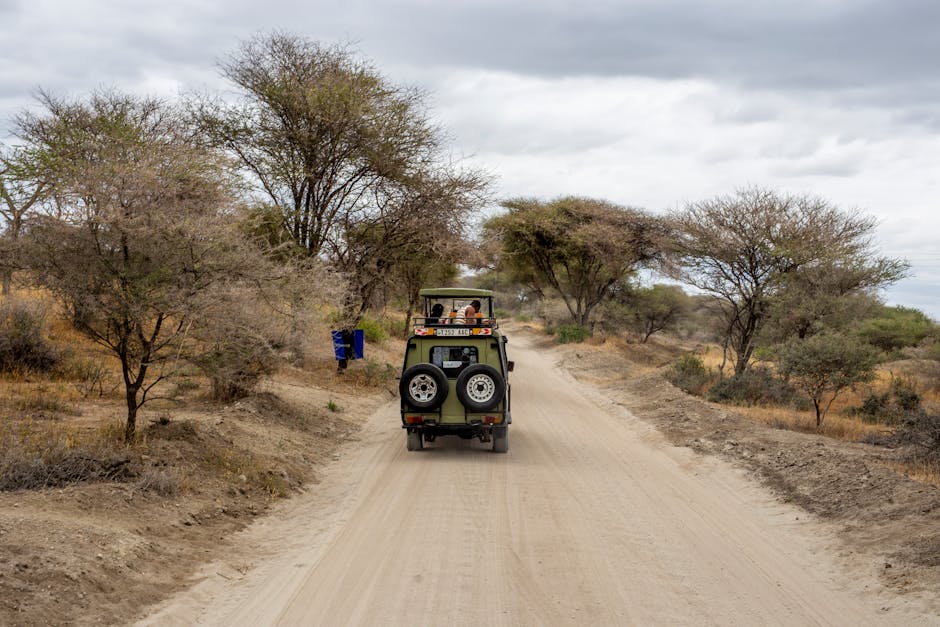
Photo by Kureng Workx on Pexels
Source: The Star