The Tangier Experience
Tangier stands as the historical and cultural gateway to North Africa, offering a unique blend of European influence and Moroccan tradition. Once a semi-autonomous International Zone, this port city became a magnet for mid-century literary icons like William S. Burroughs and Paul Bowles. Today, the city reflects that bohemian legacy through its preserved kasbah, vibrant medina, and a flourishing arts scene that continues to draw international travelers. The Tangier American Legation Museum, situated in the heart of the medina, serves as a testament to the long-standing diplomatic relationship between the two nations, marking the site of the first American public property located abroad.
Visitors exploring the northern coast encounter a landscape shaped by both the Atlantic and the Mediterranean. The white-washed architecture of the kasbah provides a stark, striking contrast to the deep blue of the Strait of Gibraltar. Cultural landmarks such as the Cinema Rif, an Art Deco theater turned cinema hub, anchor the Grand Socco, serving as a focal point for both local film-makers and international arthouse aficionados. Those seeking the pulse of the city often find themselves in the legendary Cafe Baba, where a history of famous patrons—ranging from the Rolling Stones to Anthony Bourdain—has cemented its status as a must-visit cultural institution.
What This Means for American Travelers to Morocco
For US tourists in Morocco, Tangier offers a more accessible and cosmopolitan experience compared to the frantic pace of Marrakech. Getting there is increasingly efficient, with major European hubs providing seamless connections. Morocco tourism infrastructure has matured significantly, and Tangier functions as an ideal starting point for a broader Moroccan adventure. Americans do not require a visa for tourist stays under 90 days, though passports must remain valid for at least six months beyond the date of entry. Local currency is the Moroccan Dirham, and while major hotels accept credit cards, carrying cash is essential for exploring the medina markets and local cafes. The cost of living remains favorable for the dollar, allowing for high-end dining and private, locally-led tours at a fraction of Western prices.
Travel Tips for Americans Visiting Morocco
- Book a Local Guide: Utilize services like those provided by local specialists to navigate the complex medina layout and gain access to authentic, off-menu culinary experiences.
- Prioritize Transit: Fly into Tangier Ibn Battouta Airport via connections in Paris or Madrid to avoid the long train hauls from Casablanca, maximizing your time in the northern region.
- Engage with the Arts: Check the program at Cinema Rif well in advance to catch screenings or festivals that align with your visit, providing a window into modern Moroccan creativity.
American travelers should check the latest U.S. State Department travel advisory for Morocco before booking.
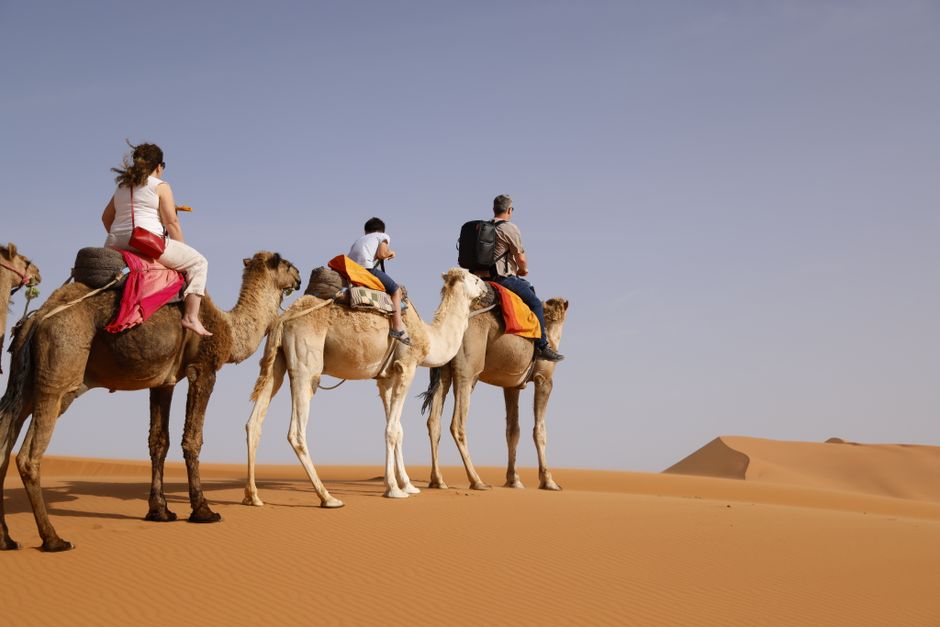
Photo by Christophe RASCLE on Pexels
Source: The New Zealand Herald