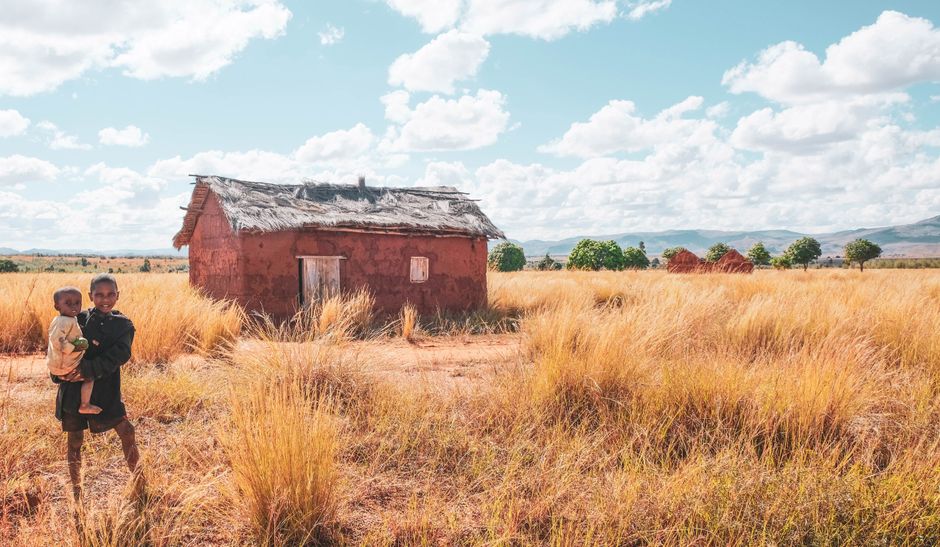
Madagascar’s Isalo National Park remains a primary destination for adventurers seeking desert landscapes and unique wildlife encounters. The park encompasses 300 square miles of sandstone massifs and deep gorges in the island's southwestern region, where subterranean springs feed lush, hidden swimming holes. These oasis-like pools provide a stark contrast to the surrounding arid terrain, characterized by sparse grasslands and thorny scrub vegetation.
Visiting Madagascar from the US requires a transition from coastal tropical expectations to a high-altitude, dry climate experience. Isalo serves as the epicenter for this shift, drawing hikers interested in both geological formations and endemic fauna, such as the ring-tailed lemur. The park’s geography creates microclimates where water pressure forces streams to surface against towering rock faces, forming pools shaded by indigenous palms. These geological features have defined the region's appeal for decades, offering a rugged alternative to the island's more famous beach resorts.
What This Means for American Travelers to Madagascar
US tourists in Madagascar must prepare for significant logistical hurdles when planning a trip to the southwest. Antananarivo serves as the main international gateway, but reaching the Isalo region involves a grueling 12-hour drive from the capital or a series of internal flights that are prone to cancellation. Madagascar tourism infrastructure is limited, meaning independent travel requires a dedicated 4x4 vehicle and a local guide, as park regulations mandate professional accompaniment on most trails. Travelers should budget for these premium transportation costs and ensure they possess a valid visa, which is available on arrival for most Americans. While the region remains stable, medical facilities are non-existent near the park boundaries, necessitating comprehensive travel insurance that includes emergency medical evacuation.
Travel Tips for Americans Visiting Madagascar
- Secure a local guide: Park regulations require a certified guide for all hikes, and they provide essential knowledge regarding safe swimming spots and wildlife spotting locations.
- Pack for extremes: Temperatures fluctuate drastically between the blistering midday sun and chilly desert nights, requiring versatile moisture-wicking layers.
- Manage cash flow: Credit card acceptance is virtually non-existent outside of major hotels; carry sufficient Ariary for park fees, tips, and incidentals.
- Hydration logistics: Never rely on natural water sources for drinking; bring a robust filtration system or carry all necessary water supplies during long desert treks.
American travelers should check the latest U.S. State Department travel advisory for Madagascar before booking.
Photo by Mégane SSu on Pexels
Source: The New York Times