Regional Crisis Affects Singapore Air Quality
Singapore air quality faces significant degradation as hazardous smoke from agricultural fires in neighboring Indonesia drifts across the region. Malaysia has officially declared a state of emergency in the Sarawak province on Borneo Island after the Air Pollutant Index in the town of Serian spiked to 521. This severe pollution, caused by widespread peatland and forest fires, currently blankets parts of Malaysia and threatens to further compromise air conditions in Singapore as winds shift.
The current environmental crisis stems from a combination of prolonged dry weather and illegal land-clearing practices. Indonesian authorities have reported hundreds of active hot spots across Kalimantan and Sumatra. In response, police have arrested over 100 individuals accused of setting fires to clear land for farming, while the government has moved to suspend the operating licenses of five major corporations implicated in these blazes. Despite efforts to induce rain and contain the fires, the resulting haze remains a persistent, recurring challenge for the entire Southeast Asian corridor.
What This Means for American Travelers to Singapore
Americans traveling to Singapore may face immediate disruptions to their itineraries. While Singapore possesses world-class infrastructure, extreme haze levels can lead to the cancellation of outdoor events, restricted access to public parks, and potential flight delays due to reduced visibility. US tourists in Singapore should anticipate increased health risks, particularly for those with respiratory conditions or cardiovascular issues. Costs for face masks and air purifiers may rise, and local authorities may mandate the closure of schools or non-essential outdoor workplaces if air quality indices enter the hazardous range. Travel insurance policies often exclude "known events," meaning coverage for trip cancellations related to this specific haze may be limited unless purchased before the emergency declaration.
Travel Tips for Americans Visiting Singapore
- Monitor the National Environment Agency (NEA) portal daily for real-time updates on air quality readings and health advisories.
- Pack high-quality N95 or P100 respirators, as these are more effective than standard surgical masks at filtering the fine particulate matter associated with peat smoke.
- Prioritize indoor activities such as visiting museums, shopping malls, or gallery spaces during periods of high pollution, and avoid strenuous outdoor exercise.
- Confirm flexible booking options for flights and excursions, as regional transit between Singapore and Malaysia may experience sudden schedule changes.
American travelers should check the latest U.S. State Department travel advisory for Singapore before booking.
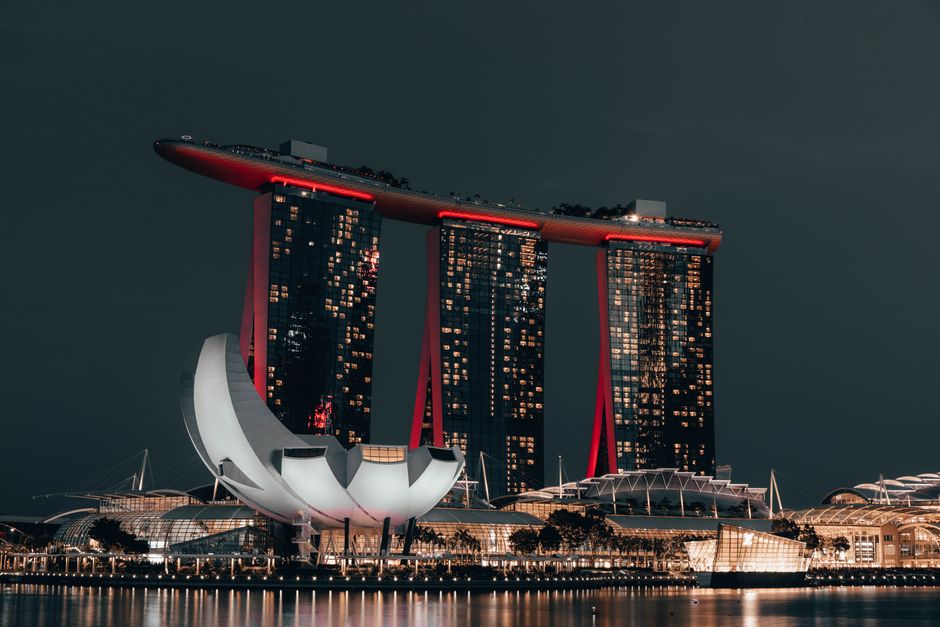
Photo by Soulful Pizza on Pexels
Source: Euronews