U.S. Secretary of State Marco Rubio will arrive in Ecuador next week as part of a three-nation diplomatic tour across South America. This mission, scheduled from Tuesday through Thursday, marks Rubio’s first official visits to Colombia and Peru in his capacity as the nation's top diplomat. While his itinerary includes high-level discussions with newly inaugurated leadership in Bogotá and Lima, the stop in Quito signals a continued focus on strengthening bilateral ties between Washington and the administration of President Daniel Noboa.
This regional tour follows a busy tenure for Rubio, who has already completed four diplomatic missions across Latin America and the Caribbean. In Colombia, the Secretary intends to coordinate American aid following the devastating earthquake that struck shortly after President Abelardo de la Espriella took office in August. With a death toll reaching 300 and widespread infrastructure damage, the visit serves to solidify U.S. humanitarian support. Beyond disaster relief, the State Department confirmed that discussions will prioritize long-term trade agreements and joint efforts to curb international drug trafficking. The omission of Venezuela from the current agenda remains conspicuous, particularly as the U.S. maintains its legal and security focus on the former regime following the January capture of Nicolás Maduro.
What This Means for American Travelers to Ecuador
Americans traveling to Ecuador should anticipate heightened security presence in major urban centers and potential logistical shifts during this diplomatic window. While the U.S. delegation’s presence typically does not disrupt commercial airline schedules, visitors arriving in Quito may encounter temporary road closures or increased security checkpoints near government districts. The ongoing focus on regional security and anti-narcotics cooperation generally results in stricter customs protocols at ports of entry. For US tourists in Ecuador, these diplomatic visits rarely impact daily vacation itineraries, but they do underscore the necessity of maintaining situational awareness. Costs for internal travel or luxury accommodations remain stable, though the political climate dictates that visitors remain flexible with their ground transport arrangements. Those visiting Ecuador from the US will find that the country remains open for business, yet the official nature of this visit suggests that travelers should avoid any unauthorized political demonstrations or large public gatherings that may coincide with the Secretary’s arrival.
Travel Tips for Americans Visiting Ecuador
- Register your itinerary with the Smart Traveler Enrollment Program (STEP) to receive real-time security alerts from the nearest U.S. embassy.
- Carry a digital and physical copy of your passport at all times, as security personnel may conduct random identity checks during high-profile diplomatic visits.
- Monitor local news outlets and the State Department website for updates on protests, which can occasionally emerge in response to international political activity.
- Ensure you have comprehensive travel insurance that covers potential delays or emergency evacuations, as these policies remain essential for modern Ecuador tourism.
American travelers should check the latest U.S. State Department travel advisory for Ecuador before booking.
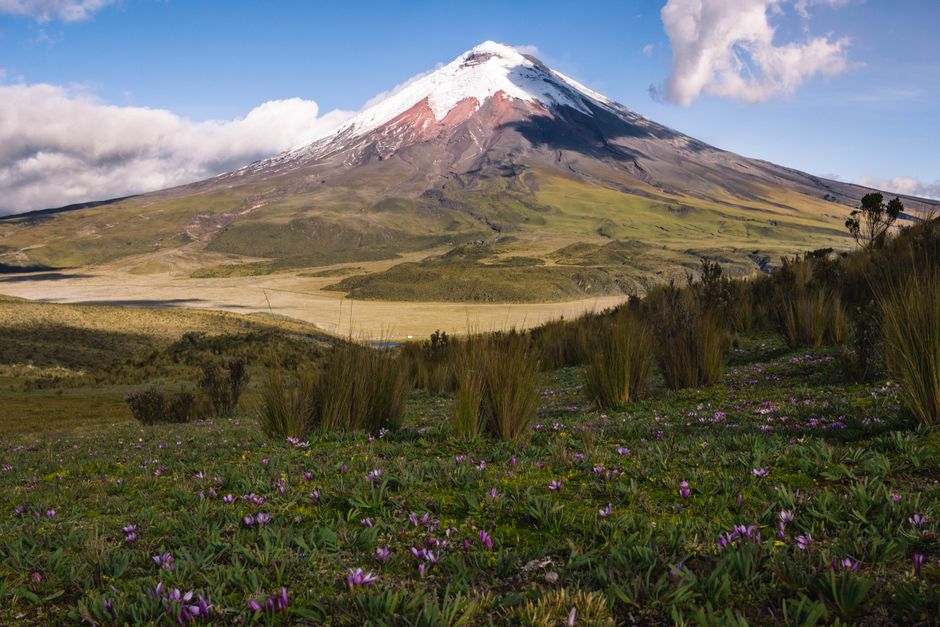
Photo by Thomas Mastromonaco on Pexels
Source: The Straits Times