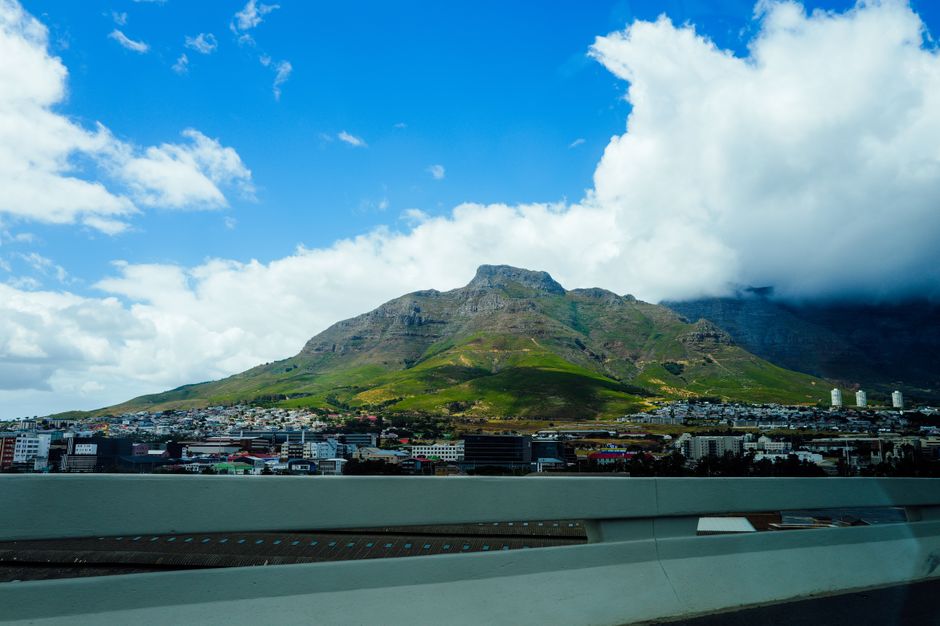
New Zealand Rugby (NZR) recently restricted access to All Black training sessions in Cape Town after third-party agents failed to deliver on promised match tickets and compromised team security. The incident highlights the volatility of the South African sports tourism market, where thousands of international visitors found themselves sidelined due to logistical failures and oversold event packages. While official tour groups maintained priority, hundreds of fans arrived at stadiums only to discover their guaranteed seats did not exist.
This conflict stems from the delicate balance between fan engagement and the paranoia surrounding elite sports espionage. Security protocols for the All Blacks in South Africa are rigorous, extending far beyond typical crowd control. Players are instructed to sanitize hotel whiteboards, secure sensitive documents, and remain vigilant against potential information harvesting by hotel staff. During the Cape Town tour, NZR employed AI-driven background checks on spectators to identify potential ties to Springbok coaching staff. Such measures respond to historical breaches, including a 2014 incident in Johannesburg where a rival coach observed private training sessions under the guise of a corporate sponsor event.
What This Means for American Travelers to South Africa
For Americans traveling to South Africa, these events serve as a stark reminder that premium event packages do not always guarantee the promised experience. When booking through third-party intermediaries, US tourists in South Africa face significant risks regarding the legitimacy of match tickets and the reliability of ground logistics. While the South African hospitality sector is highly professional, the secondary market for major sporting events remains prone to overbooking and localized security hurdles. Travelers should anticipate that high-profile events often trigger increased security measures, which can lead to sudden changes in venue access or movement restrictions. Budgeting for these trips requires accounting for the potential loss of unofficial add-ons, as well as the necessity of maintaining flexible itineraries when local conditions shift rapidly.
Travel Tips for Americans Visiting South Africa
- Verify all tour operators: Book exclusively through official team-sanctioned travel partners or nationally accredited agencies to ensure ticket authenticity.
- Monitor physical security: When staying in high-end hotels during major events, refrain from leaving sensitive documents or digital devices unattended in guest rooms.
- Prioritize direct communication: Rely on official team social media channels or tournament organizers for real-time updates regarding training schedules, as third-party vendors often lack direct access to changing security protocols.
American travelers should check the latest U.S. State Department travel advisory for South Africa before booking.
Photo by Adrien Olichon on Pexels
Source: The New Zealand Herald