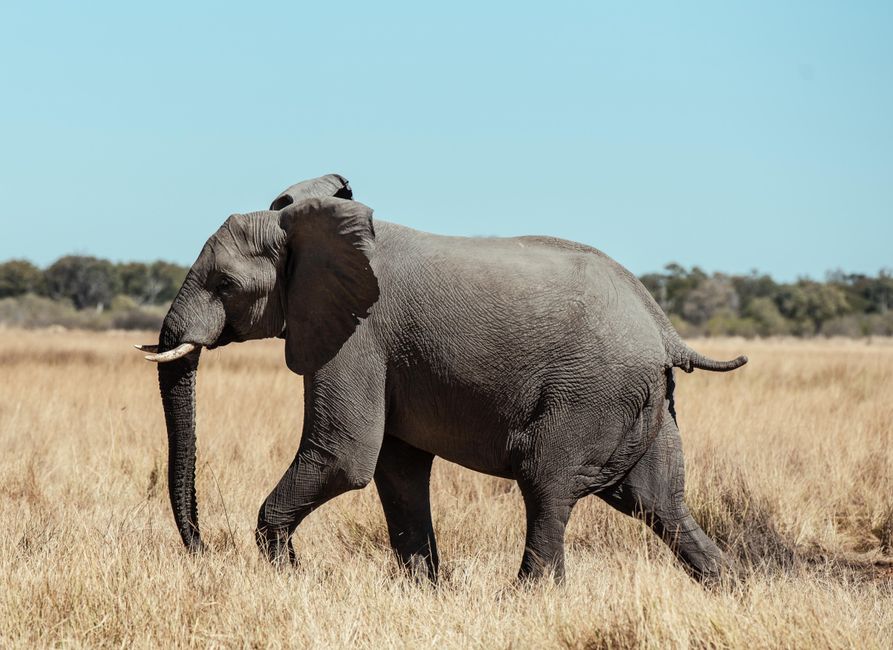
Mark Lautenbach, a 33-year-old professional wildlife guide, died after a massive bull elephant trampled him repeatedly inside a lodge compound near the Botswana border. The incident occurred at Rock Lodge in the Madikwe Game Reserve, where the aggressive male animal forced its way through fencing, creating an immediate and lethal threat to staff and guests. Lautenbach, who was highly respected in the industry, attempted to intervene but was overcome by the beast's size and force. The event highlights the raw dangers present even in well-established tourism zones adjacent to the Botswana border.
The elephant was identified as an older bull in a state of musth, a condition marked by extreme hormonal fluctuations. During musth, male elephants can produce up to six times their normal testosterone levels, leading to unpredictable and violent behavior. This physiological state was once linked to mating cycles, but current understanding recognizes it as a distinct period of heightened aggression that can endanger both humans and other elephants. The animal was eventually put down by authorities due to the persistent risk it posed to human life. This tragedy adds to a list of fatal encounters involving musth elephants, including incidents in Thailand and Cambodia, underscoring that this behavior is a global biological phenomenon rather than an isolated anomaly.
What This Means for American Travelers to Botswana
For Americans traveling to Botswana, this incident serves as a stark reminder that wildlife remains wild, even in managed reserves. While Botswana is generally considered a safe destination with robust tourism infrastructure, the proximity to the South African border means that travel experiences often span both nations. US tourists in Botswana should maintain strict adherence to guide instructions and avoid independent exploration near lodge perimeters. The logistical impact is minimal for most visitors, as flight schedules and visa requirements remain unchanged, but safety protocols are paramount. Travelers should verify that their chosen lodge has clear anti-poaching and wildlife containment measures, particularly if staying near border regions like the Okavango Delta or Chobe, which share ecological corridors with South African reserves.
Travel Tips for Americans Visiting Botswana
- Observe Musth Indicators: Learn to recognize signs of musth in male elephants, such as temporal gland swelling behind the ears and intermittent urine discharge. Guides will flag these animals, but awareness helps visitors understand why certain areas may be restricted.
- Respect Lodge Boundaries: Never leave the safety of your vehicle or lodge grounds unless escorted by a professional. Fencing in game reserves is designed to keep wildlife out, but determined bulls can breach these barriers. Treat all fences as absolute limits.
- Choose Reputable Operators: Select lodges and tour operators with documented safety records and experienced rangers. For visiting Botswana from the US, prioritize companies that provide pre-trip safety briefings specific to elephant behavior.
- Stay Informed on Local Conditions: Wildlife movements can shift seasons. Check with your lodge before heading out on walks. Botswana travel tips often emphasize staying close to guides during dawn and dusk, when animal activity peaks.
American travelers should check the latest U.S. State Department travel advisory for Botswana before booking.
Photo by Kflow Moji on Pexels
Source: Daily Express