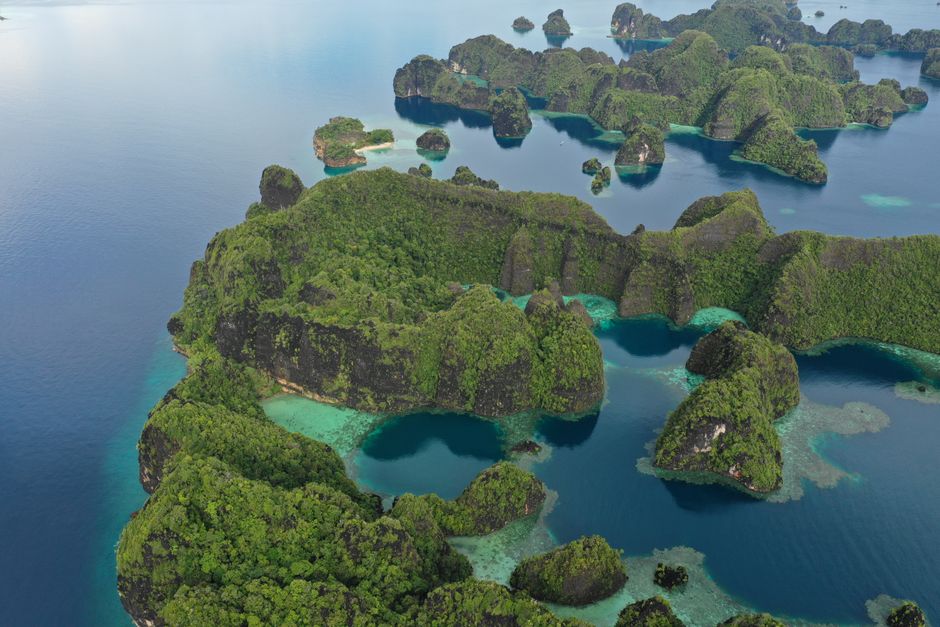
Peleliu, a remote island within the Republic of Palau, serves as a sobering memorial to one of the most brutal and strategically debated conflicts of the Pacific War. While modern visitors flock to the archipelago for its world-class diving and unbleached coral reefs, the interior of this Micronesian island remains scarred by the remnants of the 1944 campaign. Rusted Japanese tanks sit abandoned in verdant fields, and deep cave systems—once the primary defensive network for entrenched forces—now stand as silent monuments to the 24,000 lives lost during the siege.
American forces arrived in September 1944 with orders to neutralize the local airbase, anticipating a swift victory. Instead, they encountered a sophisticated Japanese defensive strategy centered on attrition. Soldiers fought for months in sweltering 100-degree heat, contending with malaria, dehydration, and a subterranean enemy that refused to surrender. Historians now frequently cite the battle as unnecessary, arguing that the island offered little tactical value to the broader American objective. Despite its significance, the engagement remains largely eclipsed in American history books by battles like Iwo Jima, leaving Peleliu a quiet, somber destination for those seeking a deeper understanding of the war.
What This Means for American Travelers to Palau
Americans traveling to Palau will find a logistical landscape that requires careful planning. Palau is not a mass-tourism destination; the international airport in Koror serves a limited number of weekly flights, primarily from hubs like Taipei and Manila. US tourists in Palau do not require a visa for stays up to one year, but must possess a valid passport and proof of onward travel. The local currency is the US dollar, which simplifies financial transactions. While the country is safe, the infrastructure on islands like Peleliu is rugged. Visitors should expect high humidity and limited amenities outside of the main population centers. Costs can escalate quickly due to reliance on imported goods and the necessity of hiring licensed boat operators for inter-island transport.
Travel Tips for Americans Visiting Palau
- Hire a local guide: The jungle terrain on Peleliu is dense and historically complex. Licensed guides are essential for locating the cave entrances and identifying unexploded ordnance sites.
- Respect the memorials: Many of the cave sites function as grave markers. Leave Shinto stones or flags undisturbed and refrain from removing any historical artifacts, which are protected by law.
- Plan for the weather: Tropical heat and sudden rainfall are standard. Pack high-quality moisture-wicking gear and sturdy footwear for hiking through overgrown trails.
- Combine history with nature: Balance the emotional weight of a Peleliu battlefield tour with a day of snorkeling in the Rock Islands to appreciate the dual nature of Palau tourism.
American travelers should check the latest U.S. State Department travel advisory for Palau before booking.
Photo by Ditras Family on Pexels
Source: Cable News Network