Paraguay enters its decisive World Cup group stage match with a significant logistical edge, having traveled only 640 kilometers since the tournament began, while their opponents, Australia, have covered nearly 4,800 kilometers. This disparity in movement is drawing sharp criticism from sports scientists who argue that fatigue is now a critical variable in match outcomes. The Socceroos, based in California's San Francisco Bay Area, must contend with the residual effects of a complex pre-tournament itinerary that included stops in Florida and Vancouver. In contrast, the Paraguayan squad has remained largely stationary, minimizing the physiological toll associated with transcontinental travel and time zone shifts.
The 2026 World Cup, the largest in history with 48 teams spread across 16 cities in North America, presents unprecedented logistical challenges. Research published in the Science and Medicine in Football journal indicates that long-haul travel significantly impacts athlete recovery, sleep quality, and physical preparation. Luke Jenkinson, head of performance at San Diego Football Club, notes that while European footballers are accustomed to travel, the distances and time zone variations in North America are far greater. For American spectators and tourists attending these matches, the infrastructure strain is visible. Stadiums are packed, and the movement of massive crowds across state lines creates congestion that affects everything from parking to entry gates. The scale of this event means that major host cities are experiencing a surge in hotel prices and transportation demand that will persist well into the knockout rounds.
What This Means for American Travelers to Paraguay
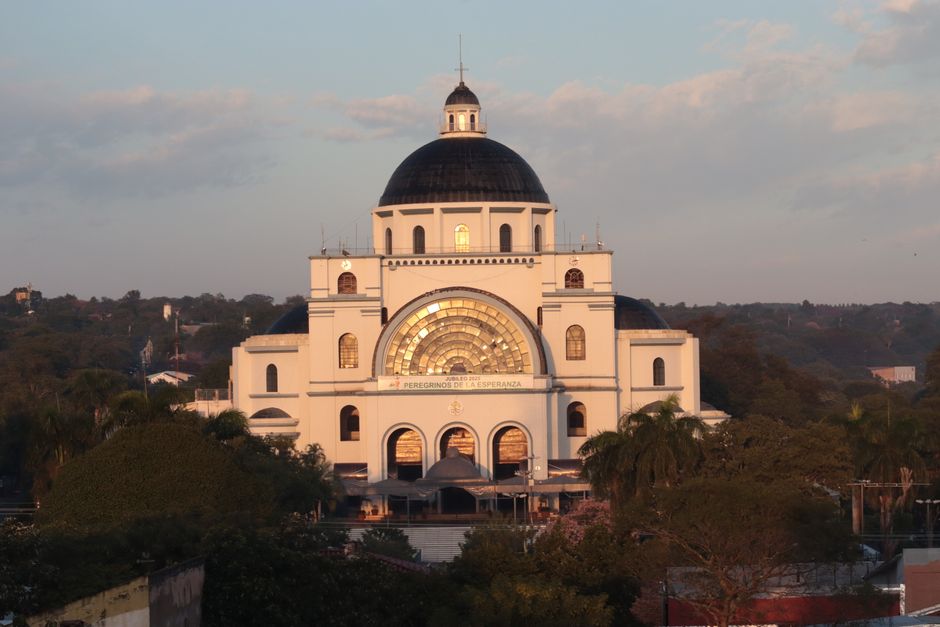
For Americans traveling to Paraguay, the current World Cup focus in North America creates a bifurcated travel environment. While the tournament itself does not take place in South America, the global attention on Paraguayan football is driving increased interest in visiting the country to watch domestic league matches or explore the capital, Asunción. US tourists in Paraguay will find that international flight schedules remain unchanged, but the surge in global football fandom may impact domestic tourism infrastructure. Visa requirements for US citizens remain straightforward, allowing entry for tourism without prior documentation for stays under 90 days. However, the heightened profile of Paraguayan sports may see increased crowds at major venues, requiring earlier arrival times for ticketed events. Currency exchange rates and local transport costs in Asunción remain stable, but visitors should anticipate higher demand for accommodation near the Estadio Defensores del Chaco during peak match days.
Travel Tips for Americans Visiting Paraguay
- Book flights early: While the World Cup is in North America, interest in Paraguay tourism is rising. Secure airfare to Asunción ahead of the knockout rounds to avoid price surges associated with increased global interest in the national team.
- Plan for domestic transport: Use registered taxi services or ride-share apps in Asunción. Public buses can be crowded and unpredictable, especially on match days when fans converge on central stadium districts.
- Stay near the stadium: If attending a match, choose lodging within walking distance of the main football venues. Traffic in the capital can become gridlocked during evening games, making long commutes risky.
- Monitor local news: Keep an eye on local outlets for any schedule changes or security updates. The heightened attention on Paraguayan football may lead to increased police presence in urban centers, which is generally a positive for safety but may affect traffic flow.
American travelers should check the latest U.S. State Department travel advisory for Paraguay before booking.
Photo by Axel Torres on Pexels
Source: SBS Australia