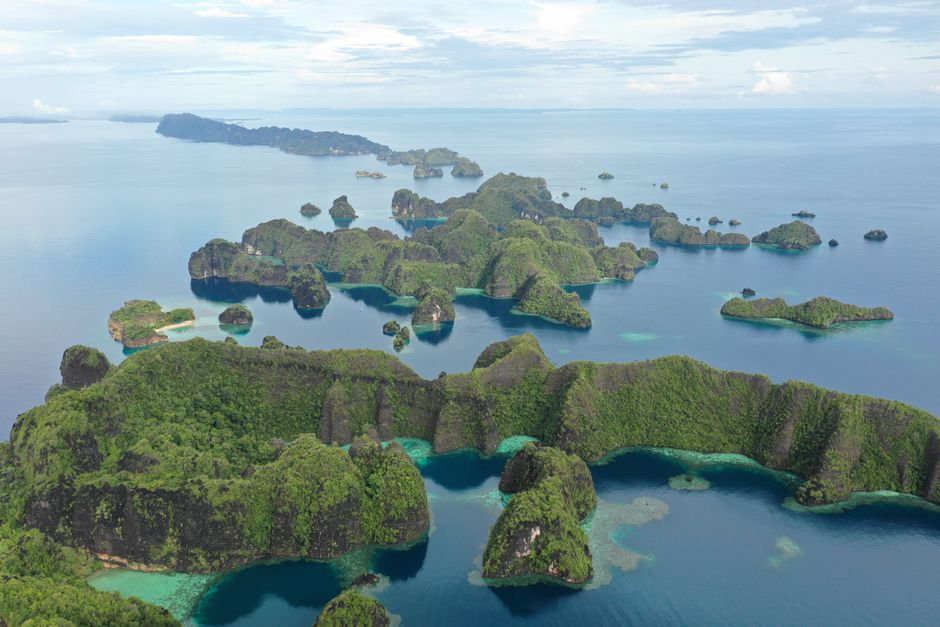
Palau currently finds itself at the center of a geopolitical tug-of-war as Beijing utilizes tourism as a tool of economic pressure. The Micronesian nation, which maintains formal diplomatic ties with Taiwan, recently faced a stern travel advisory from China warning residents of supposed safety risks and theft ahead of the Pacific Islands Forum. President Surangel Whipps Jr. characterizes this move as the weaponization of a vital industry, noting that tourism accounts for over 40 percent of the nation's GDP.
This diplomatic friction is not a new development for the island nation. In late 2017, the Chinese government effectively dismantled the local tourism market by banning chartered flights and restricting package tours. The impact was immediate and severe; visitor numbers plummeted from over 165,000 in 2015 to approximately 85,000 by 2019. While Chinese visitors have begun to trickle back via routes through Hong Kong, the Palau government is aggressively pivoting to diversify its visitor base to insulate the economy from future shocks.
What This Means for American Travelers to Palau
For Americans traveling to Palau, the current geopolitical climate does not translate to personal danger or local hostility. Instead, the shift creates a unique logistical window. With the Australian government stepping in to double peak-season flight capacity from Brisbane by 2026, air connectivity to the region is becoming more robust. US tourists in Palau will find that the islands remain a tranquil, safe destination, as the tension remains strictly between government entities. Costs for lodging and excursions remain competitive, though visitors should anticipate a more diverse international crowd as the nation reduces its historical reliance on a single source market. Logistics for those visiting Palau from the US typically involve flights through Guam or Manila, and despite the political noise, the island's infrastructure for eco-tourism remains fully operational and welcoming to Western visitors.
Palau Travel Tips
- Plan your itinerary around the dry season from November to April for the best visibility when diving the limestone islands and swimming in the famous jellyfish lakes.
- Prioritize direct transit options through Guam to avoid the potential complications of routing through regional hubs that may be sensitive to current diplomatic shifts.
- Support local operators who are actively working to diversify the economy, as these small businesses are the most impacted by fluctuating regional tourism trends.
- Pack reef-safe sunscreen, as Palau strictly enforces environmental regulations to protect its delicate marine ecosystems.
American travelers should check the latest U.S. State Department travel advisory for Palau before booking.
Photo by Ditras Family on Pexels
Source: SBS Australia