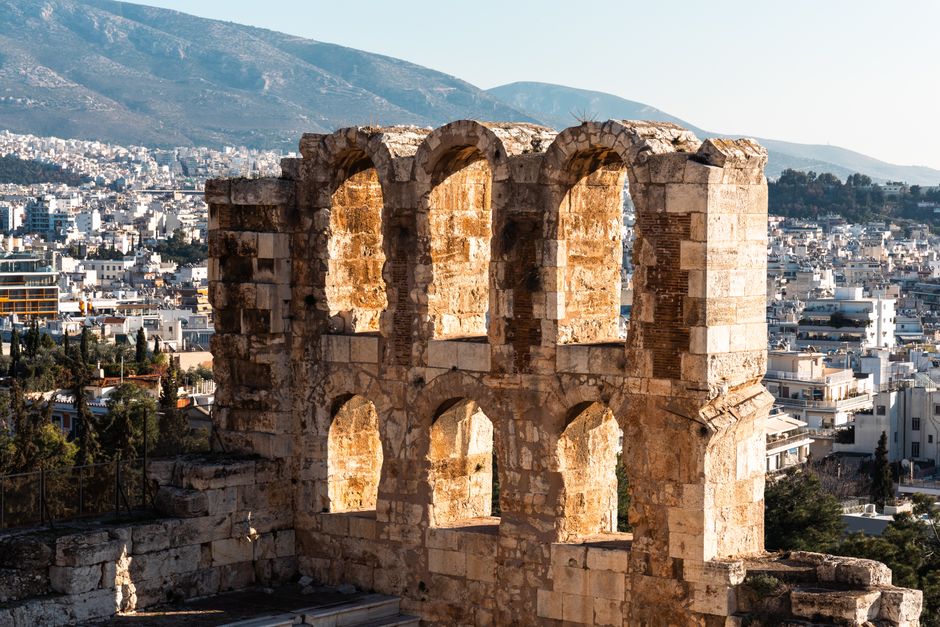
Greece is experiencing a significant surge in international interest following the global release of Christopher Nolan’s The Odyssey, a development that regional authorities are actively leveraging to boost Greece tourism figures. The Peloponnese region, a primary filming location for the blockbuster, is currently deploying new marketing strategies to convert cinematic exposure into sustained visitor numbers.
This phenomenon mirrors the long-term economic impact observed on the island of Skopelos, which has benefited from Mamma Mia! for nearly two decades. A recent analysis by IOBE, the research arm of the National Bank of Greece, quantifies this relationship, finding that every 1,000 euros in state cash-rebate support correlates with 31 to 43 additional foreign arrivals. Since 2019, the Greek Film Centre has processed 188 international productions, approving roughly 270 million euros in rebates. These films generated nearly 480 million euros in direct private spending within the country, demonstrating a clear multiplier effect on the local economy.
What This Means for American Travelers to Greece
For Americans traveling to Greece, this cinematic boom translates into both opportunities and logistical considerations. Increased demand for accommodations in the Peloponnese and Skopelos may drive up prices during peak summer months. US tourists visiting Greece from the US should anticipate higher occupancy rates at popular hotels near filming sites. While no new visa restrictions apply, the influx of media-driven tourism means that popular landmarks may experience heavier crowds. Flights from major US hubs to Athens remain robust, but connecting flights to secondary airports like Syros or Kefalonia may require earlier booking due to rising demand for island-hopping itineraries.
Travel Tips for Americans Visiting Greece
- Book early for the Peloponnese: With the release of The Odyssey, demand for stays in ancient sites like Mycenae and Nafplio is climbing. Reserve lodging at least four to six months in advance to secure better rates.
- Plan for Skopelos in shoulder season: The island remains a hotspot for Greece travel tips seekers, but late May or early September offers similar scenery with fewer crowds and more affordable accommodations.
- Check local event calendars: Open-air film screenings and thematic tours are becoming common. Verify schedules locally, as these events can cause temporary traffic congestion in village centers.
- Monitor currency exchange rates: The euro strengthens against the dollar during high-demand periods. Keeping a small amount of cash for local vendors helps avoid dynamic currency conversion fees at tourist traps.
American travelers should check the latest U.S. State Department travel advisory for Greece before booking.
Photo by Ali Durmuş Cevlan on Pexels
Source: iefimerida