Nepal marked a day of national mourning following catastrophic flash floods that left 1,355 people dead, according to data released by the National Disaster Risk Reduction and Management Authority. Government offices and international diplomatic missions lowered national flags to half-mast in tribute to victims of the late August disaster. The Bhotekoshi flood slammed into Rasuwa district, obliterating homes, roads, bridges, and hydropower installations before surging downstream into the Trishuli River basin through Nuwakot and Dhading. The resulting destruction severed transport links, knocked out power grids, and cut off municipal water systems across multiple districts.
Joint rescue operations involving the Nepali Army, Nepal Police, and Armed Police Force evacuated 13,391 survivors via air and ground deployments. Prime Minister Balendra Shah acknowledged the severe strain on emergency responders, noting that 82 security personnel remain missing following rescue efforts in the Bhote Koshi and Trishuli corridors. Australian tunnel rescue specialist Arnold Dix, who advised during the 2023 Silkyara tunnel extraction in India, described the ongoing crisis in Nepal as an unprecedented professional challenge due to the multi-layered destruction confronting field teams.
What This Means for American Travelers to Nepal
Americans traveling to Nepal face severe logistical disruptions, particularly outside Kathmandu. Road connectivity to popular trekking regions along northern river corridors remains compromised due to washed-out bridges and damaged infrastructure. While Tribhuvan International Airport in Kathmandu continues commercial operations, domestic flights to regional airfields in affected areas experience frequent weather and repair delays. Power outages and intermittent water shortages affect lodging facilities in rural zones, and rescue operations consume resources that would otherwise support stranded trekkers. US tourists in Nepal must anticipate extended transit times and restricted access to mountainous terrain.
Travel Tips for Americans Visiting Nepal
- Confirm all domestic flight schedules and trekking permits with registered Kathmandu operators before departing the capital.
- Monitor local weather forecasts closely, as monsoon rains continue to trigger secondary landslides in saturated soil zones.
- Carry emergency communications gear, such as satellite messengers, since cellular networks remain unreliable across flood-damaged valleys.
- Register with the Smart Traveler Enrollment Program to receive real-time security alerts from the US Embassy in Kathmandu.
American travelers should check the latest U.S. State Department travel advisory for Nepal before booking.
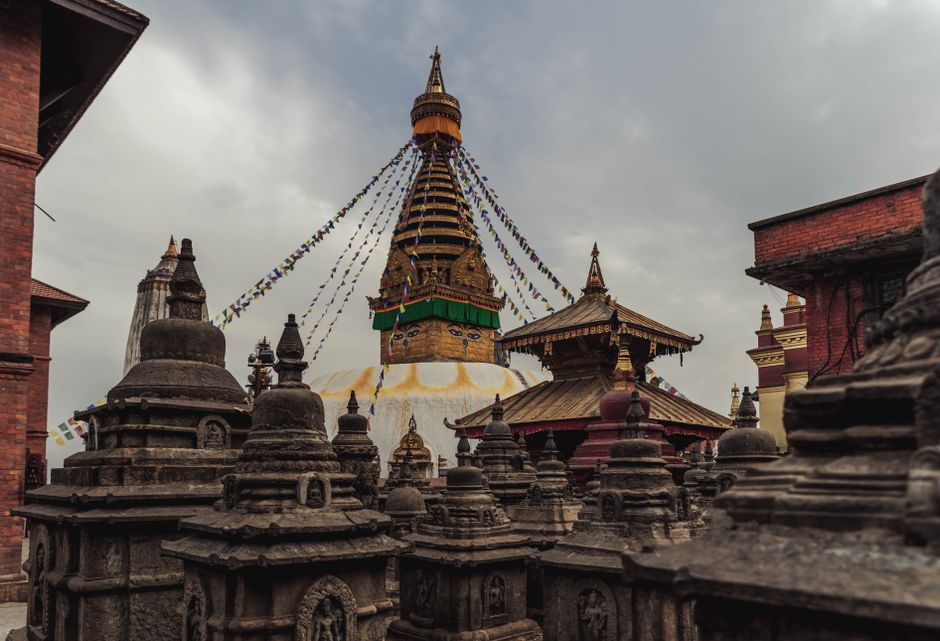
Photo by Roman Saienko on Pexels
Source: The Tribune