The U.S. State Department has issued a heightened security alert for Mozambique, designating specific northern regions as "Do Not Travel" zones due to persistent terrorist activity. This August 21 update places the southeastern African nation at Level 2: Exercise Increased Caution, while explicitly barring non-essential visits to Cabo Delgado, Niassa, and Nampula provinces. The directive warns that militant groups operate with high lethality in these areas, posing a direct threat to infrastructure and visitors.
Mozambique, a country bordered by Tanzania, Zambia, and South Africa, has traditionally attracted niche luxury tourism rather than mass-market crowds. In 2024, the nation recorded over 757,400 international arrivals, a figure that underscores its growing appeal despite its relative obscurity compared to East African giants. The conflict in the north, however, has disrupted this trajectory. Alex Perry, a foreign correspondent and author of *Blood Will Flow*, notes that while the local ISIS affiliate is small—estimated at roughly 500 fighters—its brutality is extreme. Perry highlights that the insurgency has specifically targeted high-end hunting lodges and public spaces, causing significant economic damage to the region’s tourism sector.
What This Means for American Travelers to Mozambique
US tourists in Mozambique must now navigate a split-risk environment. While the southern and central regions remain largely stable, the northern provinces are off-limits for all but emergency travel. For Americans traveling to Mozambique, this means avoiding itineraries that include Quirimbas National Park or any northern safari circuits. Those with unavoidable business in the affected zones are advised to retain private security firms, as government evacuation support is limited. The advisory specifically warns that attackers may strike with little to no warning, potentially taking hostages. Consequently, logistics for visiting Mozambique from the US require rigorous planning, including verified local contacts and detailed exit strategies that do not rely on diplomatic intervention.
Travel Tips for Americans Visiting Mozambique
- Enroll in STEP: Register with the Smart Traveler Enrollment Program immediately upon booking. This ensures U.S. embassy staff can reach you quickly during emergencies.
- Restrict Night Movement: Avoid all non-essential travel between sunset and sunrise. Militant activity often peaks during these hours, and road conditions can be unpredictable.
- Keep a Low Profile: Displaying wealth or obvious tourist gear can draw unwanted attention. Dress locally and avoid conspicuous jewelry or expensive equipment in public view.
- Verify Local Conditions: Contact your hotel or local guide daily for the latest security updates. Situation reports can change rapidly in volatile regions.
Despite the northern instability, Perry emphasizes that much of the country remains secure and beautiful. The vast majority of the territory, including popular coastal areas, offers a safe experience for those who stay informed. US tourists in Mozambique who stick to the south and center can still enjoy the Indian Ocean coastline and wildlife reserves without facing the specific risks present in the north. For the latest Mozambique travel tips and safety data, consult official government channels before finalizing your itinerary.
American travelers should check the latest U.S. State Department travel advisory for Mozambique before booking.
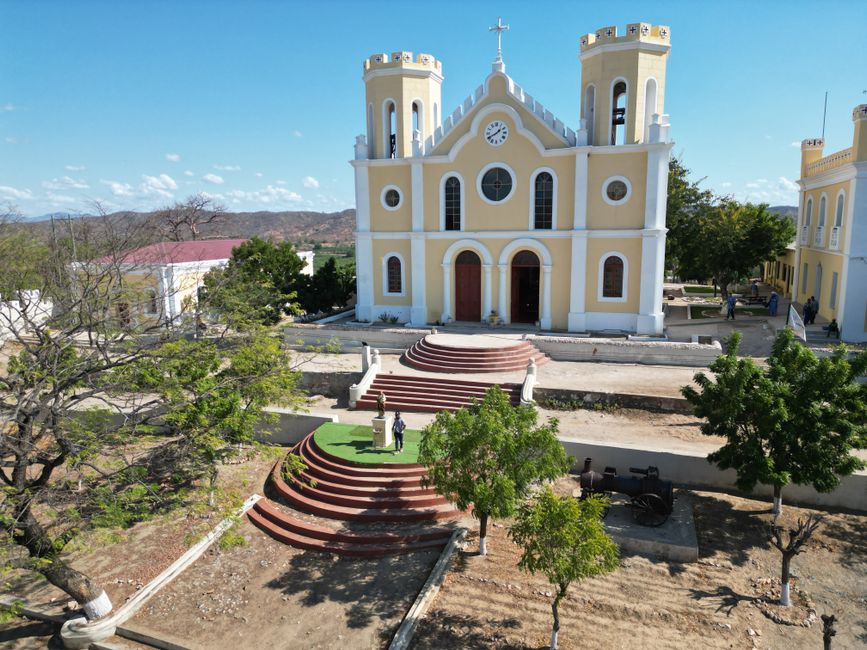
Photo by SINAL Multimédia on Pexels
Source: New York Post