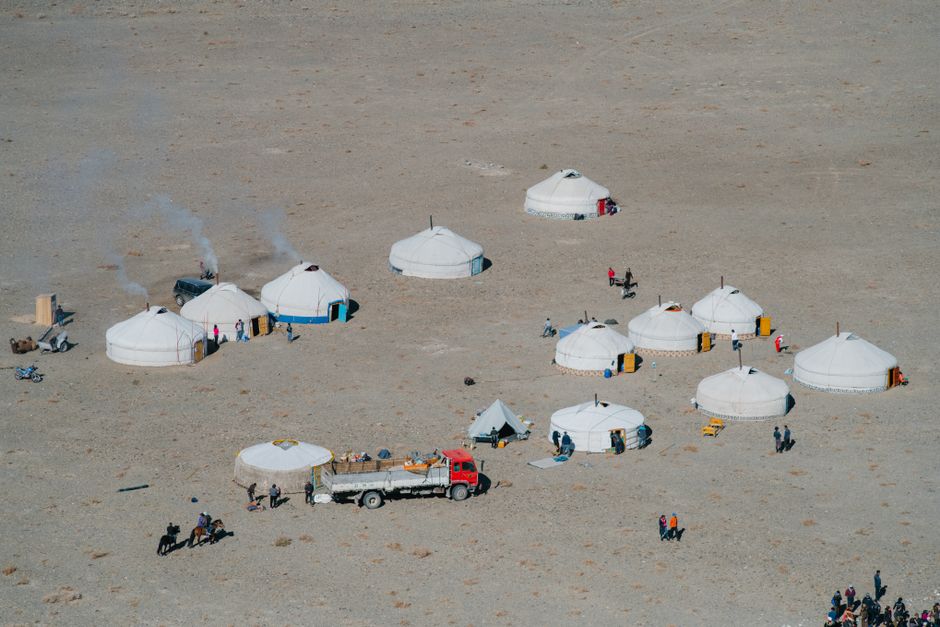
China is rapidly expanding its artificial intelligence infrastructure across the Mongolian border, utilizing the region’s vast solar potential to power massive data centers while simultaneously curbing the international movement of its elite engineering workforce. Starting September 15, Chinese authorities will enforce strict travel authorization requirements for AI professionals employed by major firms like Alibaba and DeepSeek. This move serves as a strategic counter-measure against U.S. regulatory pressure, including potential Federal Communications Commission bans on Chinese-made optical transceiver hardware.
While China secures its human capital, NVIDIA is countering with a monumental $500 billion financing initiative in collaboration with major financial institutions such as Goldman Sachs and BlackRock. This platform aims to provide debt-based funding for hyperscalers to acquire NVIDIA’s advanced GPUs and data center racks, effectively removing the financial burden from the chipmaker’s own balance sheet. By leveraging Mongolia’s desert landscape to host high-density computing clusters, China aims to secure a lower-cost energy advantage for its AI operations, challenging the high-altitude infrastructure strategies currently favored by U.S. tech giants.
What This Means for American Travelers to Mongolia
Americans traveling to Mongolia may notice an increased security presence and tighter scrutiny near industrial zones and border regions. As the nation pivots toward hosting global AI infrastructure, infrastructure projects are accelerating, potentially impacting travel times on remote roads and increasing demand for local lodging in areas previously untouched by heavy industry. While these developments do not currently affect standard tourist visa processing, the influx of international tech contractors could drive up prices for high-end accommodation and private transport in Ulan Bator. Visiting Mongolia from the US now requires closer attention to local regulations, as government surveillance and site access restrictions may expand to protect these new strategic assets. Expect localized power grid fluctuations or infrastructure maintenance in rural areas where data centers are being commissioned.
Travel Tips for Americans Visiting Mongolia
- Avoid photography near industrial zones or government-linked data facilities, as heightened security protocols may lead to equipment confiscation or detention.
- Budget for higher costs in Ulan Bator, as US tourists in Mongolia are competing with an increasing number of international corporate entities for premium hotel space and reliable internet connectivity.
- Confirm all domestic flight and transport schedules well in advance, as infrastructure projects often prioritize industrial logistics over civilian transit.
- Maintain physical copies of all travel documentation, as digital systems in remote regions may face intermittent connectivity during large-scale network upgrades.
American travelers should check the latest U.S. State Department travel advisory for Mongolia before booking.
Photo by Julia Volk on Pexels
Source: Wccftech