Mongolia remains defined by its strategic position between Russia and China, a geopolitical reality rooted in the legacy of Genghis Khan and the ancient Eurasian steppe. While geopolitical analysts study the country\'s economic dependencies and transcontinental integration, the vast Central Asian landscape continues to attract foreign visitors seeking remote wilderness. Modern Mongolia tourism operates in the shadow of these heavy regional influences, shaping how the nation manages its borders, infrastructure, and international commerce.
The historical significance of the region extends beyond trade routes into the very framework of Eurasian statecraft. Analysts examining the economic and political structures of the former Soviet sphere view Ulaanbaatar through the lens of resource dependence and regional security. This delicate diplomatic balancing act directly affects the country\'s internal development, transportation networks, and foreign investment policies, which in turn influence the expansion of visitor facilities across the steppe.
What This Means for American Travelers to Mongolia
US tourists in Mongolia encounter a nation deeply tied to regional supply chains and energy imports from its two massive neighbors, which impacts local consumer prices and fuel availability outside the capital. Visas remain straightforward for US citizens staying up to ninety days, but international flight options depend heavily on regional carriers connecting through Seoul, Beijing, or Istanbul. Currency fluctuations tied to regional economic shifts can alter daily travel costs unexpectedly. Ground transport requires robust four-wheel-drive vehicles and experienced local drivers due to vast distances and limited paved infrastructure. Security risks remain low for foreign visitors, but petty theft exists in crowded urban markets, and medical evacuation insurance is mandatory for travel into remote provinces.
Travel Tips for Americans Visiting Mongolia
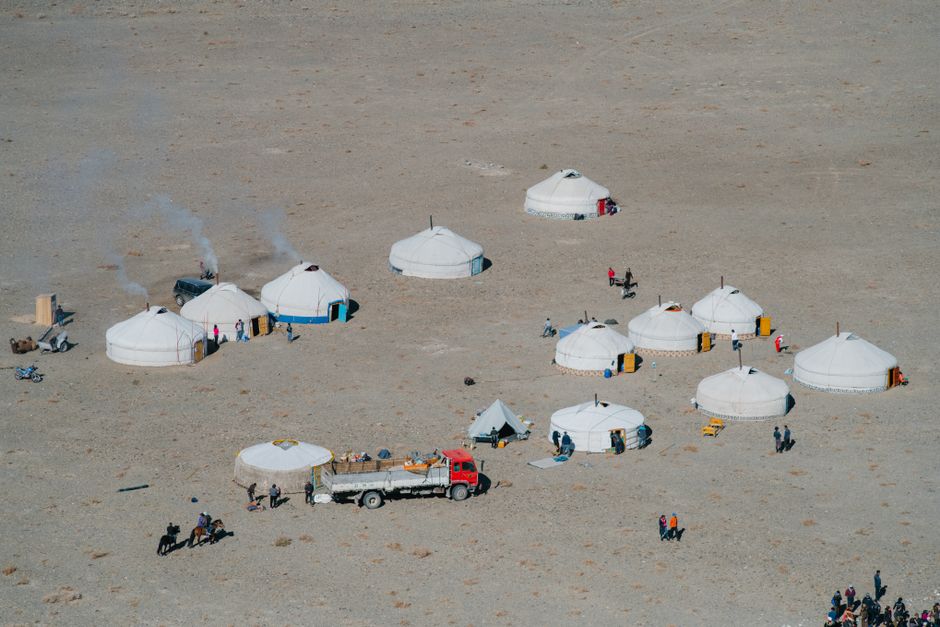
- Book domestic flights and remote ger camp accommodations months in advance because infrastructure capacity remains strictly limited outside Ulaanbaatar.
- Carry sufficient physical cash in US dollars to exchange for Mongolian tugrik upon arrival, as digital payment acceptance drops sharply outside major hotels.
- Pack reliable satellite communication devices or localized SIM cards since cellular coverage disappears entirely across vast stretches of the steppe.
American travelers should check the latest U.S. State Department travel advisory for Mongolia before booking.
Photo by Julia Volk on Pexels
Source: EUROPE SAYS