Geopolitical conflict centered in Iran has severely impacted the financial performance of Jungfrau Railways during the first half of 2026, dropping operating revenue by 9% to CHF137 million ($170 million). The Bernese Oberland operator reported a net profit of CHF29 million, representing a 22% decline compared to the record figures achieved during the previous year. Visitor volume at the high-altitude Jungfraujoch station fell by nearly 18% down to 389,600 guests, driven primarily by a sharp drop in arrivals from India and Southeast Asia following the outbreak of hostilities.
Despite the steep drop at Europe's highest railway station, the operator partially mitigated these losses through higher yields per visitor and stable performance across secondary peaks like First, Harder Kulm, and Mürren, alongside resilient winter sports operations. Peak summer months showed a slight recovery, though visitor tallies through August 23 remained 10% below the prior year. Group tour numbers continued their downward trajectory, forcing the Bernese Oberland management to maintain a cautious outlook for the remainder of 2026 amidst ongoing global economic fragility.
What This Means for American Travelers to Switzerland
For Americans traveling to Switzerland, this shifting demographic landscape creates distinct operational advantages. With fewer large tour groups congesting the top of Europe and regional cable cars, visitors from the United States experience shorter wait times at major mountain hubs and less crowded viewing platforms. While flight connections and standard entry requirements for US passport holders remain unchanged, hotel operators and regional transit networks are adjusting pricing structures to compensate for missing international volume. Currency exchange rates and local transit costs in the Bernese Oberland require careful budgeting, but diminished group tour density makes visiting Switzerland from the US noticeably more fluid this season.
Travel Tips for Americans Visiting Switzerland
- Book peak mountain excursions like the Jungfraujoch ascent well in advance, even with lower overall crowds, to secure preferred morning departure times before weather changes set in.
- Utilize regional rail passes such as the Jungfrau Travel Pass to maximize flexibility when shifting between mountain excursions if weather conditions on the high peaks deteriorate.
- Monitor local transport updates in the Bernese Oberland to take advantage of steady capacity on less congested adventure peaks like Harder Kulm and Mürren.
- Incorporate essential Switzerland travel tips into your itinerary by planning flexible days for high-altitude sightseeing, allowing adjustments for sudden alpine weather shifts.
American travelers should check the latest U.S. State Department travel advisory for Switzerland before booking.
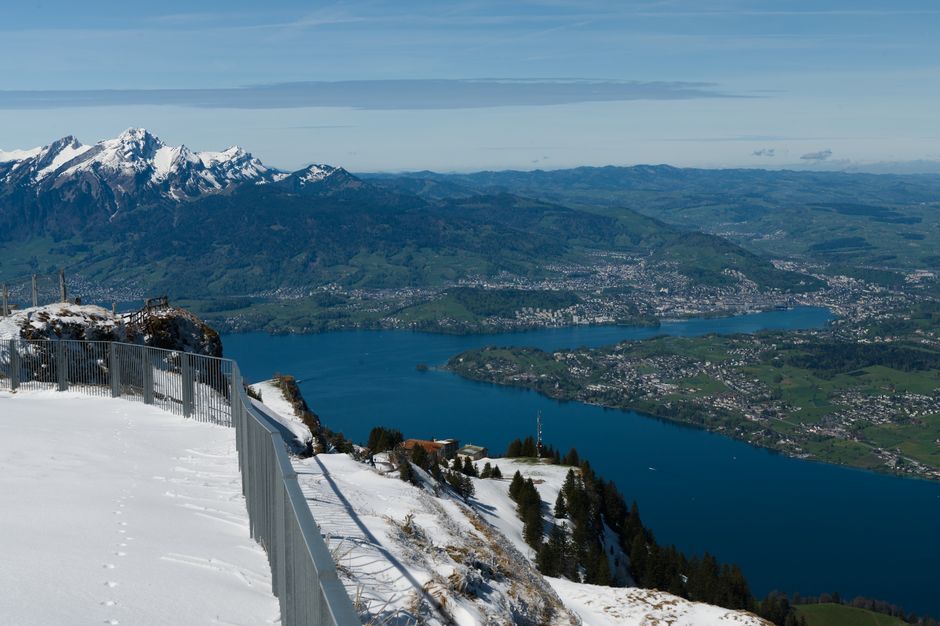
Photo by Jean-Paul Wettstein on Pexels
Source: Swissinfo (EN)