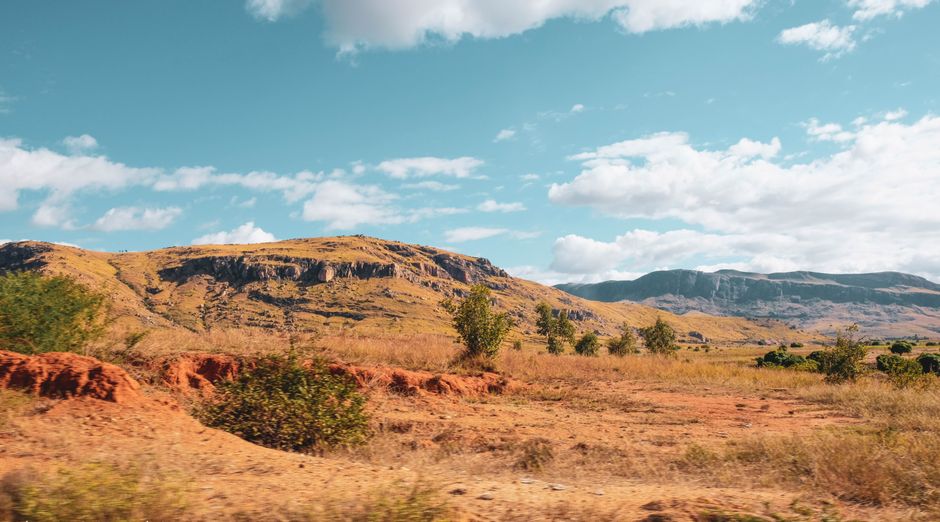
Author and mycologist Lawrence Millman maintains a deep fascination with Madagascar, specifically housing a terrarium of the island’s famous hissing cockroaches in his Cambridge home. While his recent work focuses on a critique of the modern technological landscape, his philosophy on exploration remains centered on the remote and the untamed. For Americans traveling to Madagascar, the island offers the kind of singular, expedition-style environment Millman prizes, where the focus shifts from luxury to the discovery of rare, endemic species and untouched landscapes.
Millman’s career spans 23 books, blending scientific research on fungi with a staunch, self-described "neo-Luddite" lifestyle. He eschews modern conveniences, favoring direct engagement with nature over the comforts of digital connectivity. This perspective defines his approach to global transit, where he emphasizes patience over punctuality and discovery over comfort. His recent literary project, A Luddite Lexicon, serves as a manifesto for those who, like him, find more value in the physical world than the virtual matrix. When discussing the ideal destination for the intrepid, he points toward places that offer genuine isolation, a trait Madagascar delivers in abundance for those willing to step off the beaten path.
What This Means for American Travelers to Madagascar
Visiting Madagascar from the US requires significant logistical preparation, as the island rewards the patient explorer rather than the casual tourist. Most flights from the United States involve connections through Paris, Addis Ababa, or Johannesburg, making the journey lengthy and complex. US tourists in Madagascar must secure a visa upon arrival or in advance, and internal travel often relies on small bush planes or rugged four-wheel-drive vehicles. Costs for guides and park access are essential budget line items, as Madagascar tourism infrastructure is sparse outside of major hubs like Antananarivo. Safety remains a primary consideration; travelers must monitor local conditions, as political instability and limited medical facilities in remote regions pose real challenges for those unprepared for the realities of off-grid exploration.
Travel Tips for Americans Visiting Madagascar
- Embrace the slow pace: Expect significant delays in transit and service. Millman’s advice to ignore weather and comfort inconveniences is essential for maintaining sanity while moving through the island’s interior.
- Prioritize local expertise: Hire reputable, licensed guides for all treks. The biodiversity is fragile and complex, and a guide is necessary to navigate the unique geography safely.
- Pack for the analog experience: Bring a high-quality physical notebook and pen, as digital connectivity is unreliable or non-existent in the wilder parts of the country.
- Prepare for isolation: Madagascar demands self-sufficiency. Ensure you have all necessary vaccinations and a robust medical kit before departing, as pharmacies are limited.
American travelers should check the latest U.S. State Department travel advisory for Madagascar before booking.
Photo by Mégane SSu on Pexels
Source: The Boston Globe