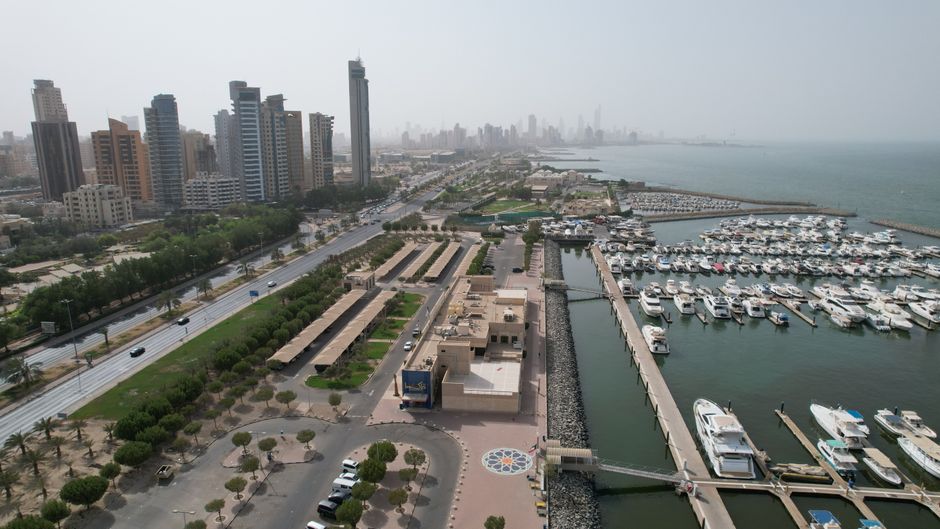
Kuwait City’s air defenses intercepted a barrage of missiles and drones on Thursday following a retaliatory strike originating from Iranian territory. This breach of sovereignty marks a significant escalation in the regional conflict, directly impacting the safety of the Persian Gulf corridor. The Kuwaiti Ministry of Defense confirmed the interception on social media, categorizing the event as an act of overt aggression. These developments follow a week of intensified military engagement between Washington and Tehran, centered primarily on the strategic Strait of Hormuz.
The current volatility stems from a cycle of strikes targeting military assets, including Iranian radar sites and rocket launchers, which the U.S. military claims were intended to disrupt commercial maritime traffic. Vice President JD Vance stated that diplomatic engagement remains off the table until Iranian forces cease targeting merchant vessels. While shipping data from Lloyd’s List Intelligence shows a decline in transit volume, energy exports continue via shuttle operations. Meanwhile, reports of civilian casualties in southern Iran following a U.S. strike have further complicated the geopolitical landscape, placing neighboring nations like Kuwait, Bahrain, and Jordan in the crosshairs of regional retaliation.
What This Means for American Travelers to Kuwait
Americans traveling to Kuwait currently face significant logistical hurdles and heightened security risks. Airlines are actively adjusting flight paths to avoid the contested airspace, leading to frequent delays and potential cancellations for those flying in or out of Kuwait International Airport. US tourists in Kuwait must anticipate limited consular support should the security situation deteriorate further. Travel insurance policies often contain force majeure clauses that may exclude coverage for losses related to acts of war, leaving individuals financially vulnerable. Furthermore, the local atmosphere in urban centers is increasingly tense, and the risk of collateral damage from intercepted aerial threats remains a reality for anyone currently residing in or visiting the region.
Travel Tips for Americans Visiting Kuwait
- Register your itinerary immediately with the Smart Traveler Enrollment Program (STEP) to receive real-time security alerts from the U.S. Embassy.
- Maintain a "go-bag" containing your passport, essential medications, and emergency contact information, as sudden airport closures or movement restrictions could occur without warning.
- Monitor local media sources in English, such as the Kuwait News Agency, rather than relying solely on international headlines for localized updates on Kuwait tourism and ground-level safety.
- Limit movement between city districts and avoid public gatherings or proximity to government and military installations, which remain primary targets for regional actors.
American travelers should check the latest U.S. State Department travel advisory for Kuwait before booking.
Photo by nour qaloush on Pexels
Source: The Nation