A series of high-stakes court battles over shoreline access in Jamaica is challenging the island's dominant all-inclusive resort model. Residents are currently suing to reclaim public use of coastal stretches at Mammee Bay, the Blue Lagoon, and several other iconic sites, arguing that private development has systematically excluded the local population from ancestral waters. These legal challenges target the 1956 Beach Control Act, a colonial-era statute that grants the state authority over the foreshore, which activists claim facilitates the privatization of public assets for luxury hotel chains.
The conflict centers on what critics call "plantation tourism," a system they describe as prioritizing high-spending foreign guests while marginalizing the local workforce. At sites like the Blue Lagoon in Portland, community members allege that local authorities shuttered public access under the guise of facility upgrades, only to pivot toward private villa development. This movement, spearheaded by organizations such as the Jamaica Beach Birthright Environmental Movement, seeks to overturn barriers, fences, and security checkpoints that have blocked traditional paths to the ocean. With five major cases scheduled for trial, the judicial outcome could fundamentally alter the landscape of Jamaica tourism.
What This Means for American Travelers to Jamaica
For US tourists in Jamaica, these tensions create a complex environment. While most all-inclusive resorts remain operational and secure, the increased friction between local communities and private developers may lead to spontaneous demonstrations or road closures near disputed beaches. Americans visiting Jamaica from the US should anticipate potential disruptions to excursions involving public-access coastal areas. Travel itineraries centered on independent exploration of the north coast may require adjustment if specific beaches face sudden closures or security lockdowns. Costs for private beach passes might rise as resorts attempt to insulate their properties from these broader land-use disputes.
Travel Tips for Americans Visiting Jamaica
- Verify the status of public beach access with your hotel concierge before planning independent trips to sites like the Blue Lagoon or Mammee Bay.
- Prioritize booking excursions through reputable, established tour operators who maintain clear communication channels regarding local site accessibility.
- Stay informed on local news bulletins while on the island to avoid areas experiencing protest activity or increased security presence.
- Support locally owned businesses and community-led tours, which often provide more authentic experiences while contributing directly to the regional economy.
American travelers should check the latest U.S. State Department travel advisory for Jamaica before booking.
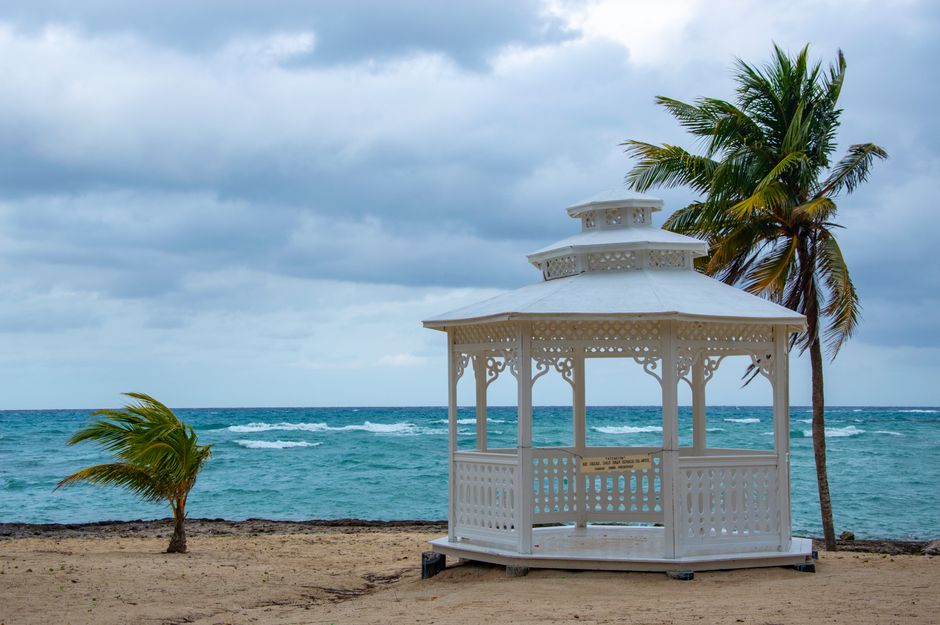
Photo by Vika Glitter on Pexels
Source: The Guardian