Berlin is demanding that European partners impose severe restrictions on tourist visas for Russian nationals following a thwarted sabotage attempt at Leipzig airport. German officials blame Moscow for the plot, which involved a Belarusian-Russian dual national allegedly planning to use drones and explosives against the terminal.
The suspect entered the Schengen area using a tourist visa issued by the Italian embassy in Minsk, despite having no prior travel history in Italy. This incident has reignited a contentious debate within the EU. Germany’s foreign ministry argues that the sheer volume of visas granted to Russians undermines the spirit of wartime sanctions and compromises security. Statistics reveal a stark imbalance: Italy issued over 165,000 visas to Russian citizens in 2025, nearly tripling the 2021 figure. France and Spain account for the majority of remaining applications, while Eastern European neighbors like Poland and the Baltics have already halted issuance almost entirely.
What This Means for American Travelers to Germany
For Americans traveling to Germany, this escalation does not alter visa-free entry rules, but it signals a tighter security climate. US tourists visiting Germany from the US may encounter more rigorous border checks as authorities align protocols to detect potential threats. While the primary target is Russian nationals, the resulting friction in the Schengen system could lead to longer processing times at entry points. The diplomatic fallout, including the closure of the Russian consulate in Bonn, suggests a period of heightened alertness that may affect general surveillance in high-traffic tourist areas. Flights and domestic rail links remain operational, but travelers should anticipate increased scrutiny at major hubs like Frankfurt and Munich.
Travel Tips for Americans Visiting Germany
- Verify Travel Documents Early: Ensure your passport is valid for at least three months beyond your return date. While Americans do not need visas for short stays, having digital copies of your itinerary and hotel reservations ready can expedite any secondary inspections.
- Monitor Local News: Stay informed about specific city-level advisories. If you are planning a trip to Leipzig or the eastern border regions, check for any temporary security perimeters or restricted zones that may affect sightseeing routes.
- Adjust Digital Habits: Avoid discussing sensitive geopolitical topics in public spaces. Unwittingly recording or sharing details of security infrastructure can trigger unnecessary attention from local authorities during this heightened period.
- Keep Insurance Current: Given the shifting diplomatic landscape, purchase comprehensive travel insurance that covers medical evacuation and trip interruption. This provides a safety net if unexpected policy changes or transport disruptions occur during your stay.
American travelers should check the latest U.S. State Department travel advisory for Germany before booking.
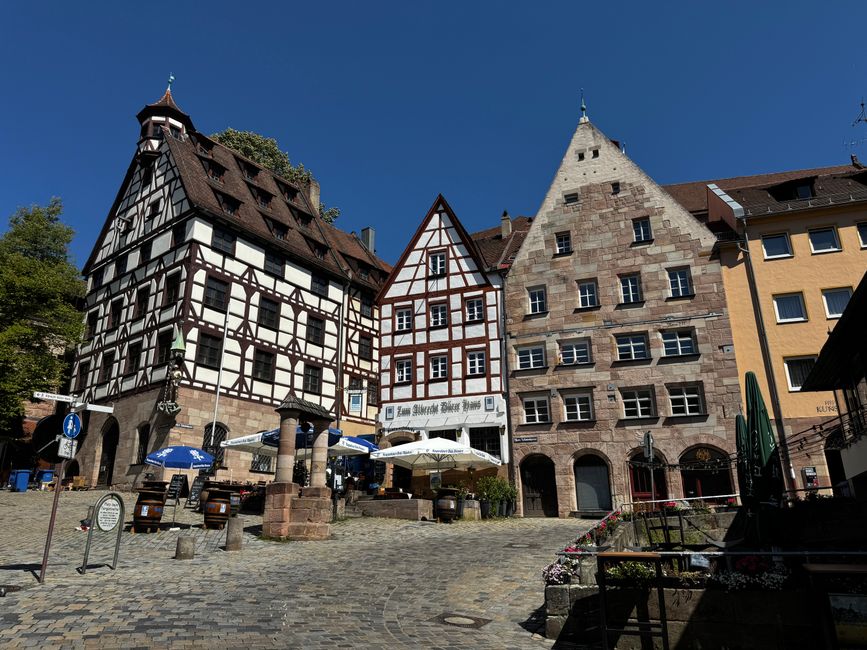
Photo by Bernhard Egger on Pexels
Source: The Guardian