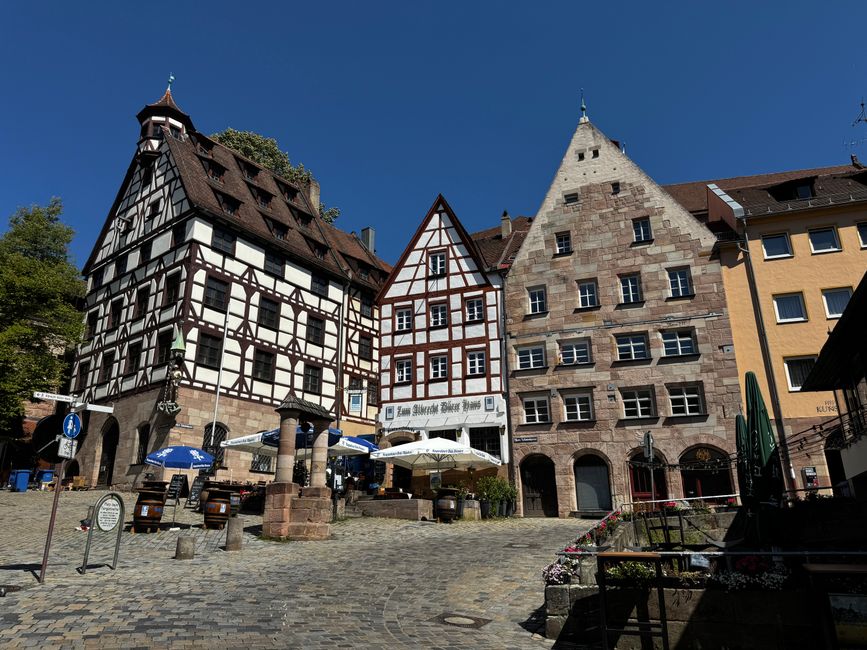
Germany recorded 36.4 million international overnight stays during the first half of 2026, marking a 0.5 percent year-on-year increase for the country's tourism sector. Data released this week confirms that while global economic shifts fluctuate, the German market maintains a consistent appeal for international visitors. Travel demand showed particular strength in June, with overnight stays climbing 1.6 percent compared to the same month in 2025. Hotel occupancy rates across the country also saw a positive shift, rising 1.2 percentage points to reach 65.5 percent.
Indian market metrics reflect this broader stability, with visitor nights remaining virtually flat at a 0.1 percent increase. Industry analysts point to a demographic shift toward younger, experience-driven travelers as a primary driver of this long-term growth. Across the board, international visitors are gravitating toward urban centers that provide high-end hospitality, reliable transportation, and deep cultural immersion. Germany’s ten most popular cities currently capture 61 percent of total overnight volume, underscoring the enduring popularity of metropolitan hubs like Berlin, Munich, and Hamburg.
What This Means for American Travelers to Germany
For Americans traveling to Germany, this stability indicates that the infrastructure remains well-equipped to handle high volumes without significant service disruptions. The moderate growth in hotel occupancy suggests that while demand is healthy, the market is not currently facing the extreme overcrowding seen in other European hotspots. US tourists in Germany benefit from a transportation network that remains the gold standard for efficiency, allowing for seamless travel between major cities and smaller, heritage-rich towns. Costs for mid-range and premium lodging are likely to remain predictable through the end of 2026, though booking two to three months in advance remains the best strategy for securing competitive rates. Visa requirements for US citizens remain unchanged, allowing for visa-free entry for short-term tourism, though travelers must ensure their passports have at least six months of validity remaining.
Travel Tips for Americans Visiting Germany
- Leverage the Rail System: Since Germany’s top destinations are concentrated in major hubs, utilize the Deutsche Bahn high-speed ICE trains to move between cities rather than renting a car, which saves on fuel and parking costs.
- Target Secondary Cities: With 61 percent of traffic focused on the top ten cities, visiting Germany from the US is often more enjoyable when you add a day trip to smaller regional gems like Heidelberg or Rothenburg ob der Tauber.
- Prioritize Advance Bookings: Even with stable occupancy rates, popular boutique hotels in historic districts fill up fast; finalize your itinerary early to avoid paying premium last-minute prices.
American travelers should check the latest U.S. State Department travel advisory for Germany before booking.
Photo by Bernhard Egger on Pexels
Source: Lokmat Times