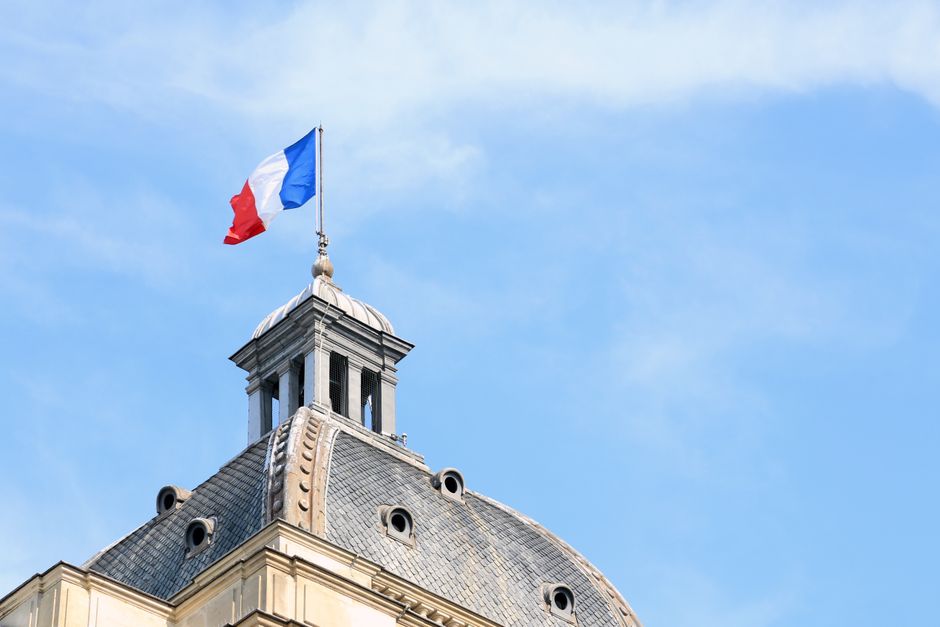
France is shifting into a high-stakes presidential election cycle as the summer holiday period concludes, setting the stage for a transition of power that could reshape the nation’s political landscape. With President Emmanuel Macron constitutionally barred from seeking a third consecutive term, a crowded field of contenders is emerging to lead the European Union’s second-largest economy. Candidates from across the ideological spectrum are jockeying for position, though many will fail to secure the necessary political backing to appear on the final ballot this coming April.
Marine Le Pen currently holds a distinct lead in early polling, marking her strongest attempt yet to secure the presidency for the National Rally party. Her rise suggests a potential shift toward nationalist policies that could strain France’s relationship with the European Union. While her previous bids resulted in defeats to Macron, her current standing reflects a significant consolidation of support within the French parliament. The upcoming race remains volatile, as a fractured field of minor candidates threatens to mirror the electoral upsets of previous decades, potentially clearing a path for the far-right to reach the decisive second round of voting.
What This Means for American Travelers to France
Americans traveling to France during this election year may encounter a charged domestic atmosphere. While tourist sites, museums, and transportation networks typically remain operational during political campaigns, US tourists in France should anticipate a heightened police presence in major cities like Paris. Public demonstrations, which are common during election cycles, can lead to localized transit delays or unexpected street closures. While safety risks for foreign visitors remain low, the political climate may result in increased scrutiny at borders or sensitive government installations. Costs for travel services are expected to remain stable, though any significant shift in national policy could eventually influence exchange rates or local tax structures for hospitality providers.
Travel Tips for Americans Visiting France
- Monitor local news outlets or your hotel's concierge for reports on planned protests to avoid being caught in transit disruptions.
- Register with the U.S. Embassy through the Smart Traveler Enrollment Program (STEP) to receive real-time security alerts during your stay.
- Maintain a flexible itinerary, especially on election days or during major campaign rallies, as public transportation or ride-sharing services may face temporary rerouting.
- Keep physical copies of your passport and essential travel documents in a secure location, as increased security checks may occur in transit hubs.
American travelers should check the latest U.S. State Department travel advisory for France before booking.
Photo by Valentin Ivantsov on Pexels
Source: SFGATE