Former Colombian President Gustavo Petro received formal Senate authorization to travel abroad this week, a decision finalized just days after a catastrophic 7.4 magnitude earthquake struck the nation. The seismic event, which occurred on August 10, has claimed at least 281 lives and left thousands injured, creating a volatile backdrop for the former leader's departure. Under Article 196 of the Colombian Constitution, former heads of state remain restricted from leaving the country during their first year out of office without explicit legislative consent. Petro, who concluded his term on August 7, 2026, requested the travel permit citing academic and political commitments.
The Senate vote, which passed 73 to 11, followed intense debate regarding the former president’s legal status. Petro currently faces over 200 congressional inquiries, including allegations of illicit campaign financing and substance abuse. While conservative lawmakers from the Democratic Center party supported the measure, they imposed strict oversight requirements, mandating that Petro disclose specific itineraries and dates for all future travel. This condition ensures that the authorization remains subject to reversal should judicial proceedings necessitate his physical presence in the country. Despite initial reports suggesting an indefinite departure, Petro maintained on social media that his exit is not permanent and emphasized his continued dedication to his political base.
What This Means for American Travelers to Colombia
Americans traveling to Colombia should expect heightened political scrutiny and potential localized disruptions in the wake of this legislative shift and the recent earthquake. While the country remains open to foreign visitors, the ongoing recovery efforts in earthquake-affected regions may impact infrastructure, public services, and transportation schedules. US tourists in Colombia often find that political instability does not directly impede standard tourist itineraries, yet protests or demonstrations tied to the former president's legal cases could emerge in urban centers like Bogotá. Travel logistics, including internal flights and ground transport, may experience delays as emergency resources are prioritized. Costs for travel insurance may fluctuate, and visitors ought to verify that their policies cover civil unrest and natural disasters.
Travel Tips for Americans Visiting Colombia
- Monitor local news outlets and the U.S. Embassy in Bogotá for updates on civil demonstrations that could affect transit hubs.
- Confirm current seismic activity reports before planning excursions to regions impacted by the recent earthquake.
- Register with the Smart Traveler Enrollment Program (STEP) to receive real-time security updates while visiting Colombia from the US.
- Maintain copies of essential travel documents in a secure digital format, as local authorities may increase identity checks during periods of political tension.
American travelers should check the latest U.S. State Department travel advisory for Colombia before booking.
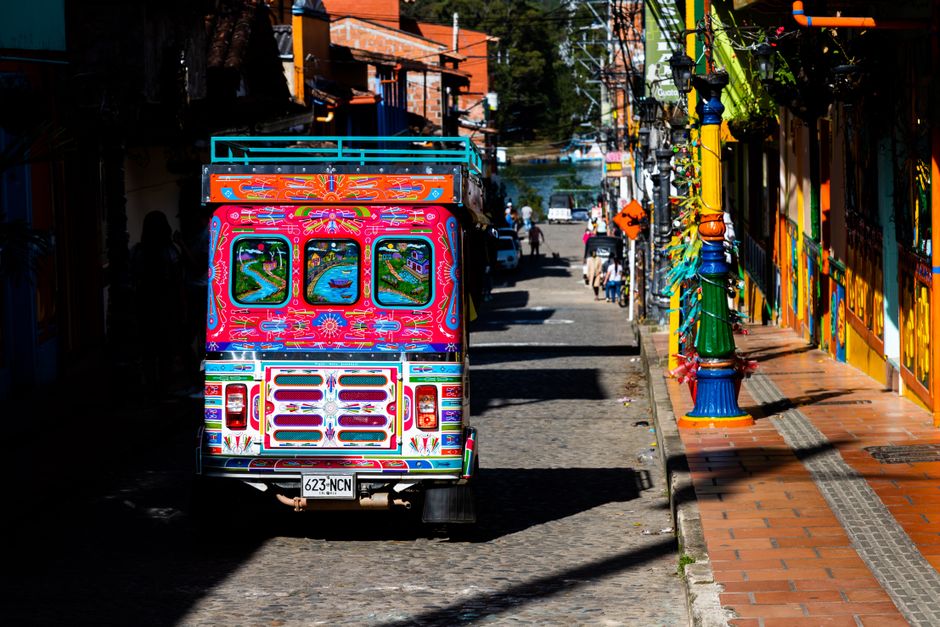
Photo by Oscar Andres Roballo on Pexels
Source: Breitbart News Network