Cuba’s tourism sector has collapsed by 62 percent between January and July 2026, according to official statistics released by the National Office of Statistics and Information. The island welcomed only 419,000 visitors during this period, a stark contrast to the 1.1 million arrivals recorded in the same timeframe last year. This precipitous decline reflects the immediate impact of heightened U.S. pressure on the island’s economic infrastructure.
The downturn stems from a combination of aggressive U.S. sanctions and a radical energy embargo imposed in January. Washington is demanding changes to Cuba’s political and economic models, a stance that has exacerbated existing financial crises. Between May and July, the State Department targeted key industry players, freezing accounts and barring them from the U.S. financial system. Major hotel chains, including Meliá, Iberostar, and Royalton, suspended their contracts. Simultaneously, Visa and Mastercard withdrew their payment gateways, and airlines such as Air France, Turkish Airlines, and Iberia halted flights after fueling restrictions were enforced. For US tourists in Cuba, this signals a fragmented and increasingly difficult travel environment.
What This Means for American Travelers to Cuba
The logistical hurdles for Americans visiting Cuba from the US have intensified significantly. With major international airlines suspending services, flight options are now limited to a smaller pool of carriers that may operate on irregular schedules or at premium prices. The withdrawal of global card networks means that digital payments are largely non-functional, forcing visitors to rely exclusively on cash. Furthermore, the energy embargo threatens consistent utility services, including electricity and water, which can disrupt stays at both state-run hotels and private accommodations. Travelers must assume that standard conveniences, such as reliable internet or stocked retail shops, will be scarce.
Travel Tips for Americans Visiting Cuba
- Carry sufficient cash. Since Visa and Mastercard are no longer accepted, bring enough U.S. dollars or convertible currency to cover all expenses for the duration of your stay. Do not rely on withdrawing local currency at ATMs, as these machines are frequently out of service or lack funds.
- Book flights early and verify status. With major carriers like Iberia and Air France out of the market, available seats are limited. Confirm your flight status repeatedly before departure, as schedules are subject to sudden changes due to fueling constraints.
- Secure lodging in advance. Many private accommodations and hotels have closed or reduced operations. Verify that your booking is still active and that the property has adequate power and water supplies before arriving in Havana or other major cities.
- Plan for supply shortages. Carry essential toiletries, medications, and snacks, as local shops may be empty or overpriced due to import restrictions and inflation.
American travelers should check the latest U.S. State Department travel advisory for Cuba before booking.
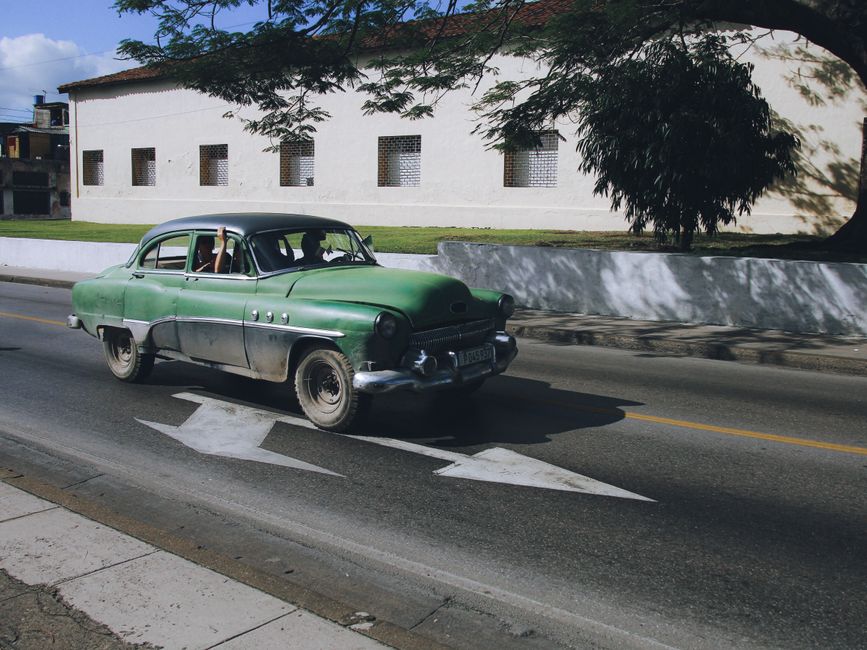
Photo by Mehmet Turgut Kirkgoz on Pexels
Source: Hartford Courant