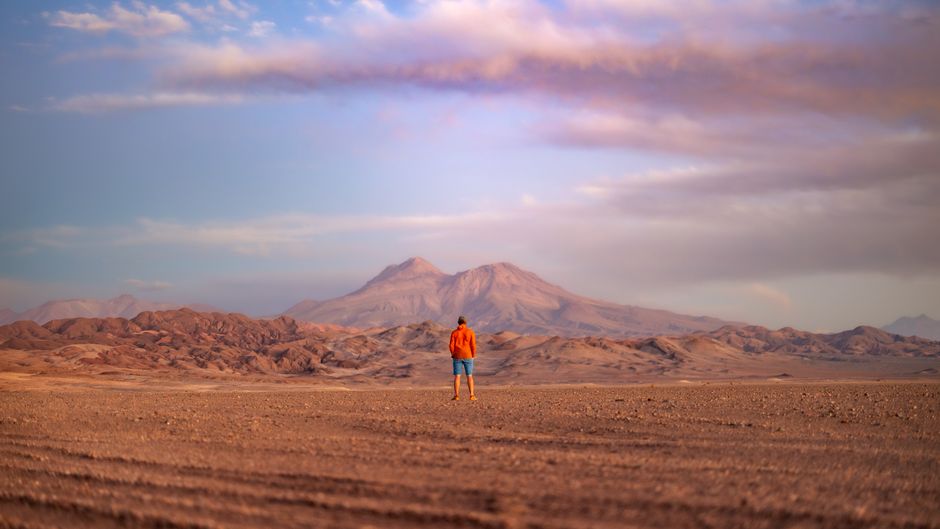
Chilean Patagonia presents a concentrated diversity of dramatic natural features, including the southern fjords, the Torres del Paine national park, and remote coastal ecosystems. This region serves as a primary destination for visiting Chile from the US for those seeking high-impact wilderness experiences without the crowds typical of European alpine regions.
The southern tip of South America is uniquely fragmented by water and ice. While Argentina holds El Chaltén and Los Glaciares, the Chilean side focuses on the maritime and glacial landscapes. The area stretching from the Strait of Magellan to Cape Horn features narrow waterways where mountains rise directly from the sea. This zone connects the Atlantic and Pacific oceans, creating a dynamic environment where rocky islands, calving glaciers, and open water coexist. Wildlife sightings are common here, with penguins, sea lions, and various seabirds frequently observed depending on the season and specific route taken by tour operators.
What This Means for American Travelers to Chile
For US tourists in Chile, the logistical entry point is typically Punta Arenas or Puerto Natales. Americans do not require a visa for stays under 90 days, though a valid passport is mandatory. Flights from major US hubs usually connect through Santiago, adding significant transit time. The region's remoteness means that infrastructure is limited; lodging in Torres del Paine is scarce and must be booked months in advance during the high season. Weather volatility is a constant factor, requiring travelers to pack for sub-zero temperatures and high winds even during the southern summer months. Costs for guided treks and helicopter transfers are premium, reflecting the difficulty of accessing these remote sites.
Travel Tips for Americans Visiting Chile
- Book Torres del Paine accommodations early: The W and O circuits attract global attention. Secure refugios or eco-lodge stays at least six to eight months prior to departure, as capacity is strictly limited.
- Plan for maritime instability: Fjord tours between the Strait of Magellan and Cape Horn are subject to cancellations due to weather. Allow buffer days in the itinerary to accommodate schedule changes without losing the entire trip.
- Gear for rapid weather shifts: El Chaltén and Paine experience sudden weather changes. Layered clothing, windproof shells, and insulated boots are essential, not optional. Hypothermia is a real risk in exposed granite environments.
- Verify wildlife viewing locations: Guanacos, pumas, and condors are native to the park, but sightings are unpredictable. Joining a guided wildlife tour increases the likelihood of observation compared to independent hiking.
American travelers should check the latest U.S. State Department travel advisory for Chile before booking.
Photo by Marek Piwnicki on Pexels
Source: Times Now