Bulgaria’s Road Infrastructure Agency is implementing temporary transit bans for heavy vehicles exceeding 12 tons on the Trakia and Struma motorways this weekend. These restrictions focus on peak travel windows to manage increased traffic volume between major urban centers and the country's borders. The ban targets the Trakia and Struma highways, alongside the I-1 road segment passing through the Kresna Gorge, specifically between the Simitli checkpoint and the Kulata border crossing. Heavy trucks face prohibitions this Friday from 4:00 p.m. to 11:00 p.m. and again on Sunday from 3:30 p.m. until 10:00 p.m.
Authorities initiated these measures to streamline traffic flow and lower accident risks during the height of the summer season. By limiting large freight vehicles, the government aims to prevent hazardous overtaking maneuvers and reduce the formation of long, stalled queues that frequently plague these corridors during weekend spikes. While freight transport is restricted, exceptions exist for public buses, vehicles carrying perishable goods, live animals, and emergency maintenance crews. To further facilitate movement, officials will implement a reversible traffic lane system on the I-1 road near Simitli, prioritizing the direction of heaviest flow based on the day of the week.
What This Means for American Travelers to Bulgaria
Americans traveling to Bulgaria during this period will likely experience smoother drives on major arterial roads, though the reversible lane system requires heightened vigilance. Rental car drivers should expect temporary lane shifts and potential bottlenecks near the Simitli junction. These logistical adjustments do not impact visa requirements or flight schedules, but they directly influence ground transportation costs if hiring private drivers or utilizing regional bus networks. US tourists in Bulgaria should factor in potential delays when planning transfers to the Greek border, as the Kresna Gorge remains a high-traffic zone. Maintaining a flexible itinerary is essential when visiting Bulgaria from the US, as road conditions can change rapidly during peak holiday weekends.
Travel Tips for Americans Visiting Bulgaria
- Monitor local traffic apps: Use real-time navigation tools to track potential delays near the Kresna Gorge and adjust departure times accordingly.
- Prioritize daylight driving: Avoid late-afternoon travel on major motorways when truck restrictions lift and road congestion typically peaks.
- Respect emergency lanes: Never use the hard shoulder to bypass traffic jams; Bulgarian police strictly enforce these regulations to ensure emergency vehicles maintain access.
- Plan for detours: Familiarize yourself with the I-6 Sub-Balkan Road if your route involves travel to or from Burgas, as this serves as the primary alternative to the Trakia motorway.
American travelers should check the latest U.S. State Department travel advisory for Bulgaria before booking.
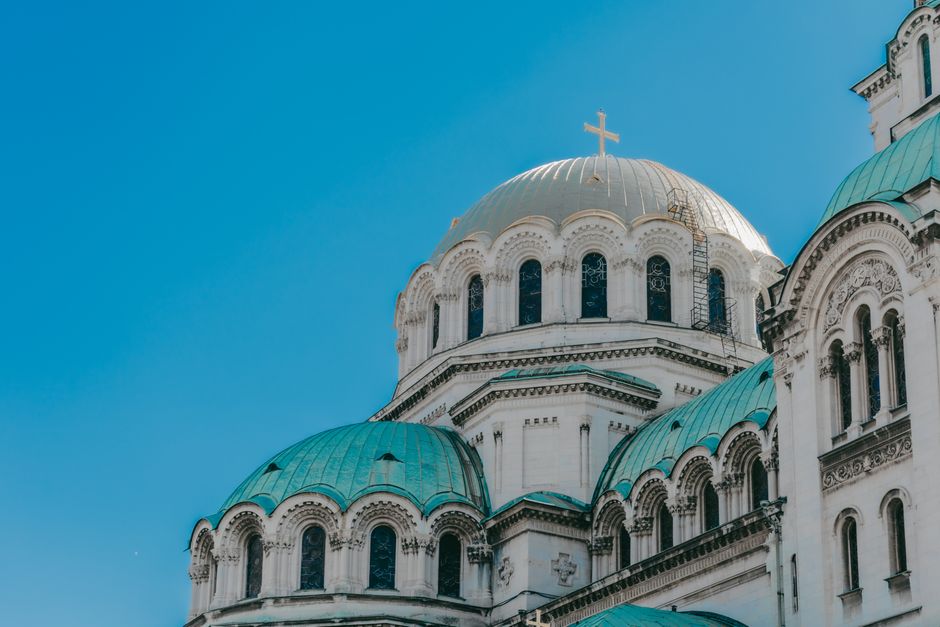
Photo by Uiliam Nörnberg on Pexels
Source: EUROPE SAYS