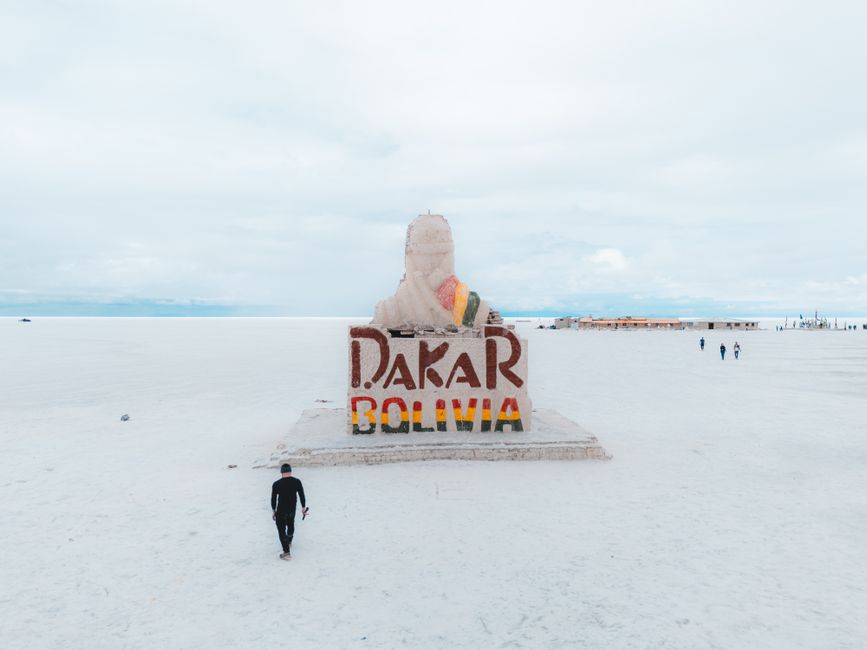
Bolivia has officially eliminated visa-free entry for Indian citizens, shifting to a mandatory advance visa requirement that impacts global tourism routes. This policy adjustment arrives alongside three other nations—Iran, Cape Verde, and Nicaragua—that have simultaneously tightened their own immigration frameworks for Indian passport holders. The removal of streamlined access reverses previous travel protocols for destinations famed for high-altitude landscapes, the Salar de Uyuni salt flats, and Lake Titicaca.
Iran revoked its visa-free privileges for Indian tourists visiting historical hubs like Tehran, Isfahan, and Persepolis. Similarly, Cape Verde suspended its visa-on-arrival program for multiple nationalities including Indian citizens, while Nicaragua shifted to mandatory pre-arrival travel authorizations for its colonial cities and Pacific beaches. These coordinated adjustments highlight a broader tightening of international borders, reducing the pool of visa-free destinations available to Indian travelers from roughly sixty nations down closer to fifty-five under current passport index metrics.
What This Means for American Travelers to Bolivia
Americans traveling to Bolivia face no direct changes to their own entry requirements, as US citizens continue to require a consular visa or specific tourist documentation depending on duration. However, shifting immigration protocols across South America signal increased administrative scrutiny at regional borders. US tourists in Bolivia should anticipate heavier enforcement of document checks, stricter transit verifications, and potential ripple effects on regional flight schedules or tour operators adjusting to new bureaucratic realities. Bolivia tourism remains fully operational, but itinerary flexibility is vital for cross-border trips linking Bolivia with neighboring nations that experience sudden policy shifts.
Travel Tips for Americans Visiting Bolivia
- Verify current consular visa fees and processing timelines well ahead of departure, as bureaucratic backlogs fluctuate unpredictably in La Paz.
- Secure comprehensive medical evacuation insurance before arrival, given the extreme altitude risks associated with the Andes Mountains and Salar de Uyuni.
- Carry physical paper copies of all hotel reservations, onward flights, and Yellow Fever vaccination certificates, as local officials routinely request hard-copy documentation at regional checkpoints.
American travelers should check the latest U.S. State Department travel advisory for Bolivia before booking.
Photo by Willian Justen de Vasconcellos on Pexels
Source: Times of India