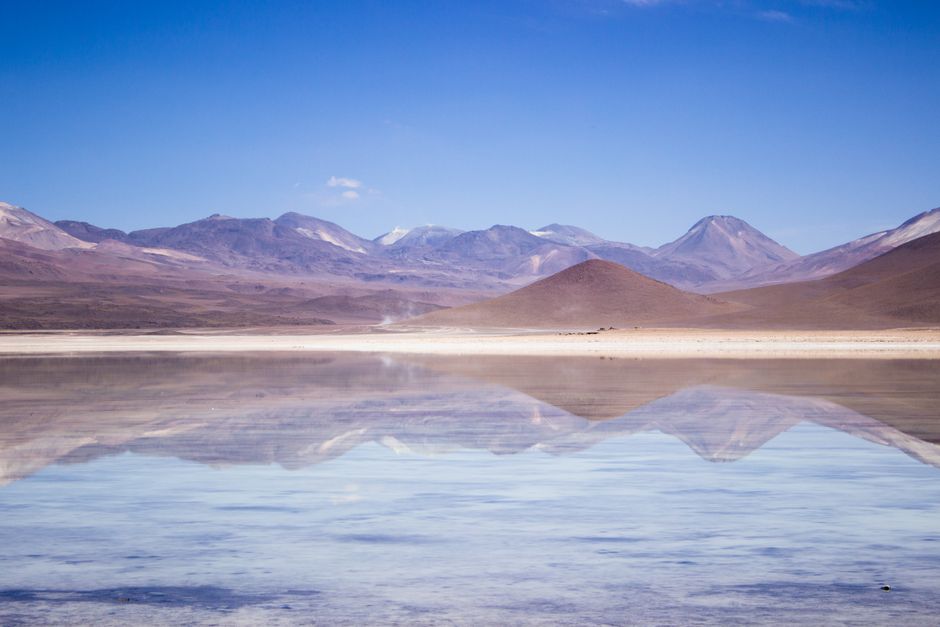
A state of emergency grips Bolivia after weeks of intense demonstrations and clashes between security forces and protesters opposing President Rodrigo Paz. The unrest centers on La Paz and surrounding departments, where ongoing protests have paralyzed transportation networks and triggered severe shortages of fuel, food, and basic commodities.
Road blockades have cut off major transit corridors across La Paz, Cochabamba, Oruro, Potosí, and Chuquisaca. Security forces possess expanded detention authorities under the emergency decree, allowing authorities to hold individuals for up to eight hours without formal charges. Public gatherings in designated red zones and alcohol consumption are strictly banned, while military and police units actively clear barricades.
What This Means for American Travelers to Bolivia
Americans traveling to Bolivia face significant logistical hurdles as transportation links degrade rapidly. Official advisories caution against all non-essential journeys to the La Paz Department—including La Paz city and Lake Titicaca—along with the Chapare region in Cochabamba. Major tourist destinations like the Salar de Uyuni salt flats and Sucre remain outside the primary advisory zones, but getting there involves navigating unpredictable transit disruptions. Land borders face sudden closures, bus lines sell conditional tickets that guarantee nothing, and routes to El Alto International Airport frequently shut down without warning. US tourists in Bolivia must factor in substantial delays, confirm official Radio Taxi availability for airport transfers, and prepare for immediate itinerary changes.
Travel Tips for Americans Visiting Bolivia
- Monitor local news constantly and utilize verified official sources rather than unconfirmed social media reports.
- Avoid all large public demonstrations, stay inside secure accommodations if roadblocks erupt nearby, and never attempt to cross physical barricades.
- Secure official Radio Taxis for airport transit and leave several hours early to account for sudden route closures.
- Verify passport validity and maintain physical copies of all vital travel documents.
American travelers should check the latest U.S. State Department travel advisory for Bolivia before booking.
Photo by João Aguiar on Pexels
Source: The Independent