New Zealand tourism currently faces a saturation crisis at primary landmarks, forcing Americans traveling to New Zealand to pay premium rates for diminished experiences. Matamata’s Hobbiton, Rotorua’s geothermal parks, and the Milford Sound cruise terminals frequently operate at maximum capacity, often requiring reservations months in advance. These high-traffic zones now prioritize volume over quality, creating logistical bottlenecks for international visitors accustomed to more efficient travel standards.
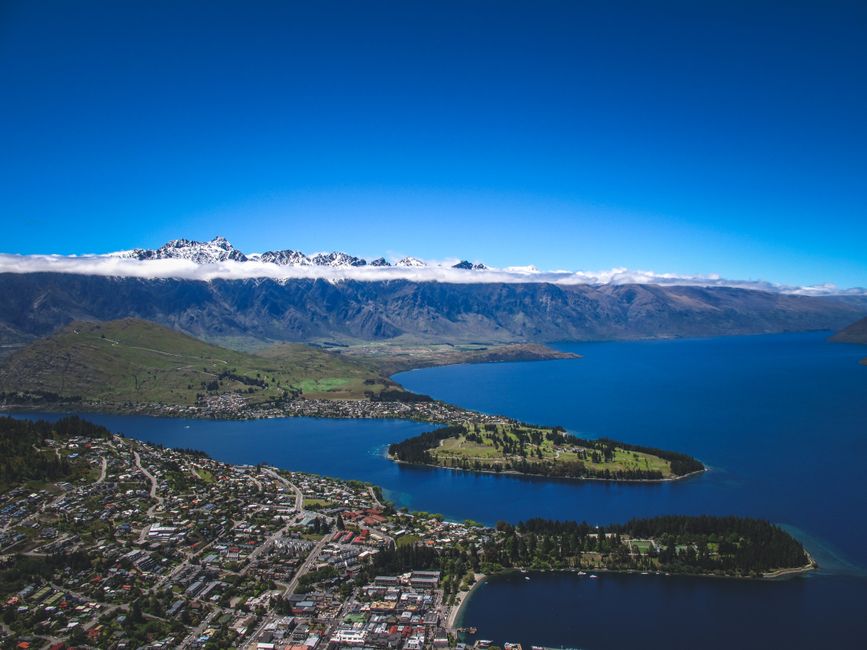
The current landscape of visiting New Zealand from the US requires a strategic shift away from mainstream itineraries. While the cinematic allure of the Shire or the fame of Queenstown attracts millions, these locations struggle to maintain their charm under the weight of mass transit buses and commercial price hikes. US tourists in New Zealand often find that the most authentic cultural and natural encounters occur on the periphery of these well-trodden paths, where infrastructure remains accessible and landscapes remain pristine.
What This Means for American Travelers to New Zealand
The financial impact of choosing mainstream attractions is significant, as peak-season pricing in areas like Queenstown often mirrors major US metropolitan costs. Americans planning their itinerary must account for the NZeTA (New Zealand Electronic Travel Authority) requirement, which remains mandatory for all US passport holders. Logistical costs spike near popular hubs; rental car shortages and accommodation surges during the Southern Hemisphere summer can derail a budget-conscious trip. By selecting secondary locations—such as Wanaka over Queenstown or Doubtful Sound over Milford—travelers secure lower daily expenditures and more reliable access to services. Safety remains high across the country, but the density of tourist hotspots increases the risk of petty theft, making the quieter, alternative destinations a smarter choice for both the wallet and personal security.
New Zealand Travel Tips
- Swap the crowds: Bypass the expensive Milford Sound cruises for a trip to Doubtful Sound, which offers a more serene environment and a more immersive wilderness experience.
- Seek elevated vantage points: Skip the expensive Sky Tower entry fees in Auckland and instead hike Mount Eden or One Tree Hill for superior, free panoramic views of the city.
- Prioritize geothermal alternatives: Visit Orakei Korako or Waimangu Volcanic Valley to witness New Zealand’s volcanic activity without the heavy crowds and inflated entry costs of Rotorua’s primary parks.
- Choose outdoor hubs wisely: Opt for Wanaka’s relaxed, adventure-ready atmosphere for your hiking and skiing base to avoid the intense congestion of nearby Queenstown.
American travelers should check the latest U.S. State Department travel advisory for New Zealand before booking.
Photo by Francesco Ungaro on Pexels
Source: NewsBytes