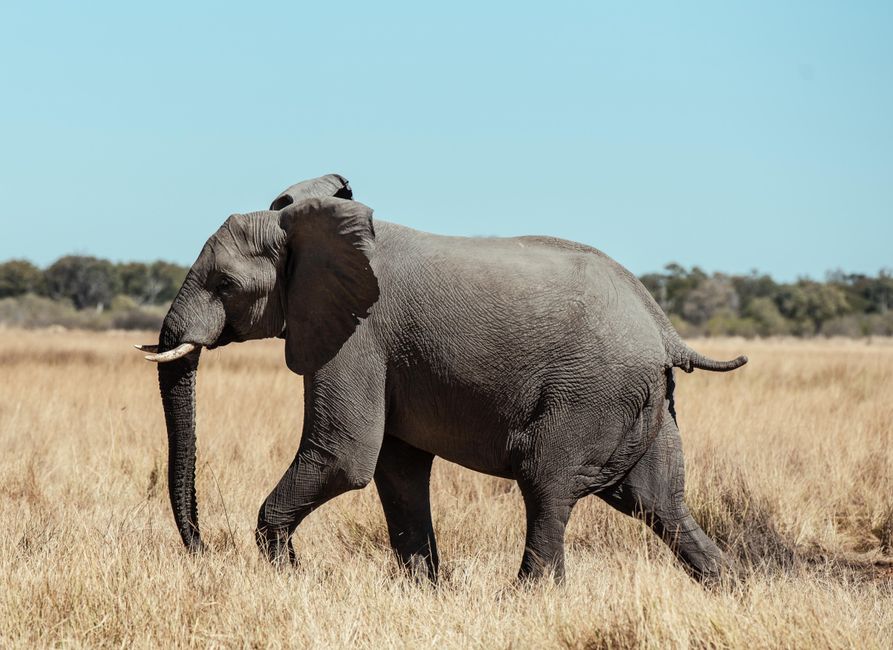
Botswana remains a premier destination for Americans traveling to Botswana who seek raw wilderness beyond the standard safari circuit. While the Okavango Delta captures most headlines, the nation conceals a diverse geography ranging from prehistoric mountain galleries to expansive, shimmering salt basins. These five regions offer distinct ecosystems that remain largely untouched by mass tourism, providing a quiet alternative to the high-traffic lodges of northern Chobe.
The Tsodilo Hills represent the spiritual heart of the Kalahari, featuring over 4,500 ancient rock paintings attributed to the San people. This UNESCO site serves as a massive outdoor museum where visitors hike through granite outcrops to view millennia of artistic heritage. Further south, the Kgalagadi Transfrontier Park offers a stark contrast with its towering crimson dunes and desert-adapted wildlife, including gemsbok and meerkats. The Okavango Panhandle provides a water-centric experience, where the river flows through deep, quiet channels perfect for angling or canoe excursions past traditional riverside settlements. Meanwhile, the Makgadikgadi Salt Pan acts as a seasonal chameleon, shifting from a dry, star-drenched desert floor to a vital wetland for migratory birds. Finally, the Moremi Game Reserve bridges the gap between the delta and dry land, protecting an essential biodiversity corridor that houses lions, elephants, and rare lechwe antelopes.
What This Means for American Travelers to Botswana
Planning a trip to these remote zones requires more logistical foresight than a standard safari package. US tourists in Botswana must secure ground transportation well in advance, as many of these sites lack public infrastructure or reliable rental car access. Flights from the US typically land in Johannesburg before connecting to Gaborone or Maun. While Botswana maintains a stable political environment, the remote nature of these five spots demands robust travel insurance and a satellite communication device for emergencies. Expect higher costs for private fly-in transfers, which are often the only efficient way to reach the Panhandle or the pans during the rainy season. Visas are not required for American citizens for short stays, but proof of sufficient funds and return tickets are standard requirements at customs.
Travel Tips for Americans Visiting Botswana
- Hire local guides: Engaging a certified guide at Tsodilo Hills or the Makgadikgadi pans is mandatory for accessing sensitive archaeological sites and ensuring safe wildlife encounters.
- Monitor seasonal shifts: The Makgadikgadi landscape changes drastically based on rainfall, so confirm current road conditions before attempting to drive into the salt flats.
- Pack for extremes: Temperatures in the Kgalagadi desert fluctuate wildly between day and night, necessitating versatile layers rather than just standard safari khaki.
- Respect customs: When visiting villages along the Okavango Panhandle, always ask permission before taking photographs of local residents or private dwellings.
American travelers should check the latest U.S. State Department travel advisory for Botswana before booking.
Photo by Kflow Moji on Pexels
Source: NewsBytes