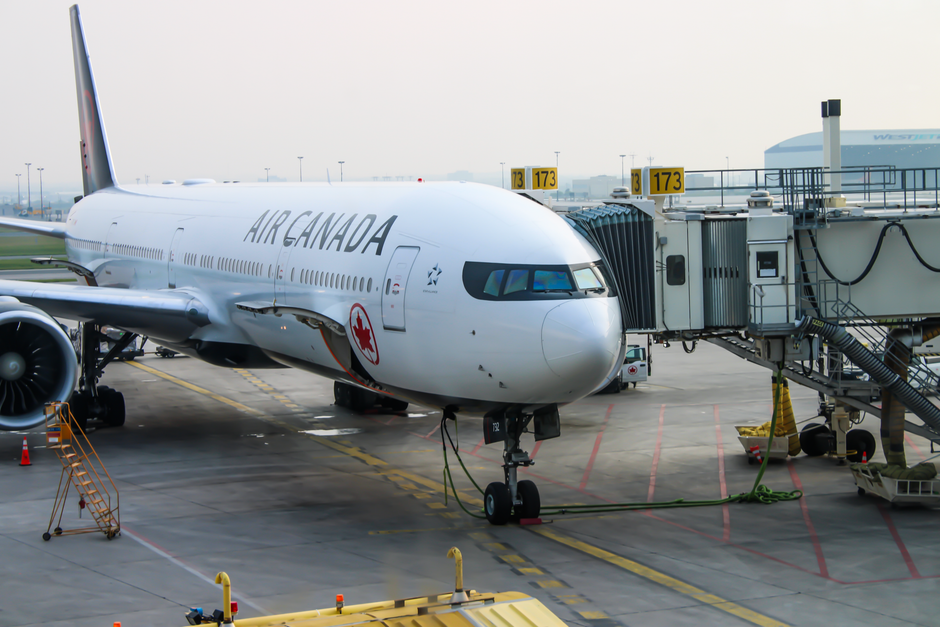
Air Canada has officially rolled out an updated mobility aid travel policy designed to reduce transit friction and enhance journey predictability for passengers utilizing adaptive equipment and specialized sports gear. Spearheaded by Kerianne Wilson, Director of Customer Accessibility, the framework aims to eliminate the anxiety associated with checking vital equipment. The carrier developed these protocols in direct consultation with the disability advocacy community, ensuring that wheelchairs and athletic apparatus are treated as bodily extensions rather than standard baggage. This update forms a core component of the corporate Accessibility Plan, which includes digital tracking integrations within the proprietary mobile application to verify loading operations.
Alongside software enhancements, the airline has procured specialized lift apparatus across its domestic hubs and revamped employee training protocols for handling fragile medical devices. Meghan Hines, chair of the accessibility advisory board, emphasized that the guidelines remove the burden of justification for passengers. Parallel backing from the Canadian Paralympic Committee highlights the utility of the protocol for athletes transporting high-performance gear. The strategy addresses recurring logistical failures that previously plagued passengers dependent on power wheelchairs during international itineraries.
What This Means for American Travelers to Air Canada
Americans traveling to Air Canada will encounter a more standardized protocol when checking wheelchairs, scooters, and adaptive sports equipment at departure gates. For US tourists in Air Canada hubs or connecting through Canadian airspace, the integration of digital baggage tracking via the airline app permits real-time verification that heavy medical machinery has successfully entered the cargo hold. This logistical overhaul targets the persistent fear of equipment damage or loss, which frequently disrupts cross-border itineraries for passengers with disabilities. By streamlining staff training and deploying heavy-duty lifting machinery at key terminals, the carrier seeks to minimize transit delays and physical strain during aircraft boarding and deplaning sequences.
Travel Tips for Americans Visiting Air Canada
- Download the carrier application prior to departure to monitor real-time loading status updates for checked adaptive gear.
- Submit detailed equipment dimensions and battery specifications during the booking phase to ensure seamless gate-check clearance.
- Arrive at the departure terminal at least three hours before international boarding to allow ground crews adequate time for specialized equipment handling.
American travelers should check the latest U.S. State Department travel advisory for Air Canada before booking.
Photo by Siddant Kanthi on Pexels
Source: EUROPE SAYS