Flight attendants serving Air Canada Express, the regional arm of Canada’s flagship carrier, are currently balloting on a strike mandate as contract negotiations with Jazz Aviation stagnate. Represented by the Canadian Flight Attendant Union, approximately 1,000 employees are demanding better wages and updated working conditions after nine months of unsuccessful bargaining. While Jazz Aviation acts as the primary regional partner for Air Canada, it remains a subsidiary of Chorus Aviation rather than the airline itself. The union argues that current compensation packages trail behind those of other domestic carriers, failing to account for the specialized safety duties flight attendants perform while the aircraft is on the ground.
Labor leaders report that while minor gains occurred earlier this year, core disagreements regarding ground-duty pay and overall quality of life remain unresolved. The union explicitly frames these demands around passenger safety, noting that pre-flight checks and boarding procedures are integral to the profession. Jazz Aviation management has expressed a desire to reach a settlement without service interruptions and has requested the involvement of a conciliation officer to bridge the divide. With the voting window closing this Friday, the possibility of a labor stoppage looms over the airline’s regional operations, mirroring recent industrial actions seen elsewhere in the Canadian aviation sector.
What This Means for American Travelers to Air Canada
Americans traveling to Air Canada via regional connections face uncertainty regarding potential flight cancellations or significant delays should a strike occur. If the union secures a mandate, a walkout could occur on short notice, affecting feeder routes between major Canadian hubs and smaller regional airports. US tourists in Air Canada hubs should anticipate that regional flights—often operated by Jazz Aviation—are the most vulnerable to service gaps. While international mainline flights to the US are operated directly by Air Canada, passengers with connecting regional legs are at the highest risk of being stranded or forced to rebook on limited remaining capacity. Expenses related to last-minute hotel stays or alternative ground transportation will likely fall on the traveler if the airline invokes force majeure clauses due to labor unrest.
Travel Tips for Americans Visiting Air Canada
- Monitor your flight status daily via the Air Canada mobile app or website to catch schedule changes before arriving at the airport.
- Purchase comprehensive travel insurance that explicitly covers strikes and labor disputes to protect non-refundable bookings.
- Maintain flexible itineraries when visiting Air Canada from the US, avoiding tight connections on regional routes that rely on Jazz Aviation equipment.
- Keep contact information for your airline updated in your booking profile to ensure you receive real-time text or email alerts regarding cancellations.
American travelers should check the latest U.S. State Department travel advisory for Air Canada before booking.
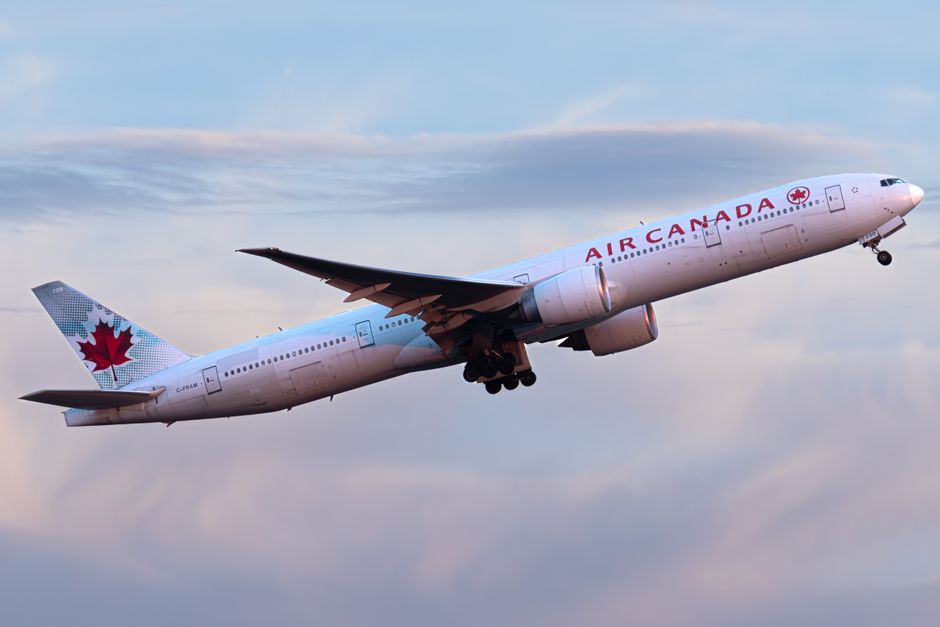
Photo by Aarav Chopra on Pexels
Source: CBC.ca