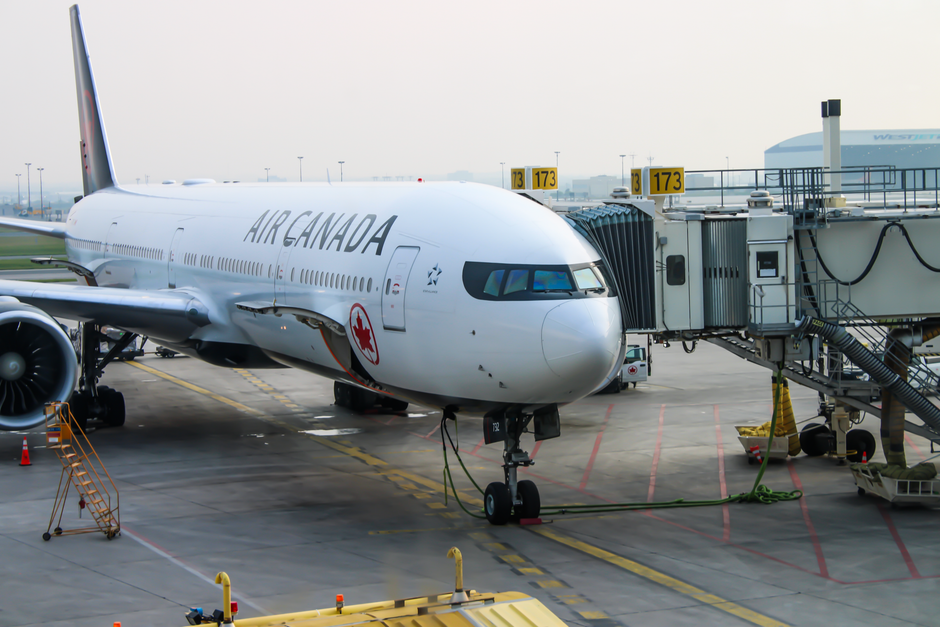
Air Canada currently operates three Airbus A321XLR aircraft, marking a strategic shift in how the carrier services mid-range international routes. Since June, these narrow-body jets have facilitated connections from Montreal to Calgary, alongside European destinations including Nantes and Toulouse. While the airline initially included Berlin in this expansion, that specific seasonal service concludes ahead of schedule on September 5. This jet represents a significant component of Air Canada's broader fleet modernization, with 30 units on order intended to replace older wide-body equipment on select transatlantic paths.
The A321XLR is reshaping global aviation by allowing airlines to connect secondary cities without the capacity requirements of massive twin-aisle planes. Aer Lingus, Iberia, American Airlines, and United Airlines have also integrated this aircraft into their networks. Aer Lingus currently utilizes its six-plane fleet to connect Dublin with nine US cities, including Cleveland and Philadelphia. Meanwhile, United Airlines prepares for a major expansion of its XLR operations starting December 1, with inaugural flights from Washington Dulles to Amsterdam and Dublin. American Airlines continues to grow its own footprint, recently confirming 2027 routes to European hubs like Nice and Porto.
What This Means for American Travelers to Air Canada
For Americans traveling to Air Canada, the introduction of the A321XLR translates into more direct flight options between smaller domestic hubs and international destinations. By utilizing a single-aisle configuration for longer distances, the airline reduces the logistical complexity often found in large-hub connections. US tourists in Air Canada hubs should anticipate a different cabin experience compared to traditional long-haul jets. These aircraft feature a high-density layout, which may impact overhead bin space and boarding times. While these flights are efficient, they do not offer the same expansive cabin dimensions as a Boeing 777 or Airbus A350. Passengers should verify their specific aircraft type during booking to manage expectations regarding seat pitch and inflight entertainment systems. Costs remain competitive, though the efficiency of these jets allows for greater frequency on routes that previously lacked consistent service.
Air Canada Travel Tips
- Confirm your aircraft configuration when booking via the Air Canada portal, as the A321XLR offers a distinct cabin experience compared to the airline's standard wide-body fleet.
- Utilize the airline's mobile app to track real-time gate changes, as narrow-body jets often utilize different terminal zones at major Canadian airports.
- Pack light to avoid checking bags, as the smaller overhead bins on the A321XLR can reach capacity faster than on larger aircraft.
- Book international connections early, as the high demand for these new, efficient routes often leads to rapid price increases.
American travelers should check the latest U.S. State Department travel advisory for Air Canada before booking.
Photo by Siddant Kanthi on Pexels
Source: Business Insider