Namibia now charges U.S. citizens a $96 visa fee upon arrival, a 2025 policy shift that significantly alters budgeting for Americans traveling to Namibia. This mandatory cost applies to all short-term visitors and must be factored into trip expenses before departure. The fee is non-negotiable and payable in cash or card at the border, regardless of itinerary length. Ignoring this line item can create immediate financial strain upon landing in Windhoek.
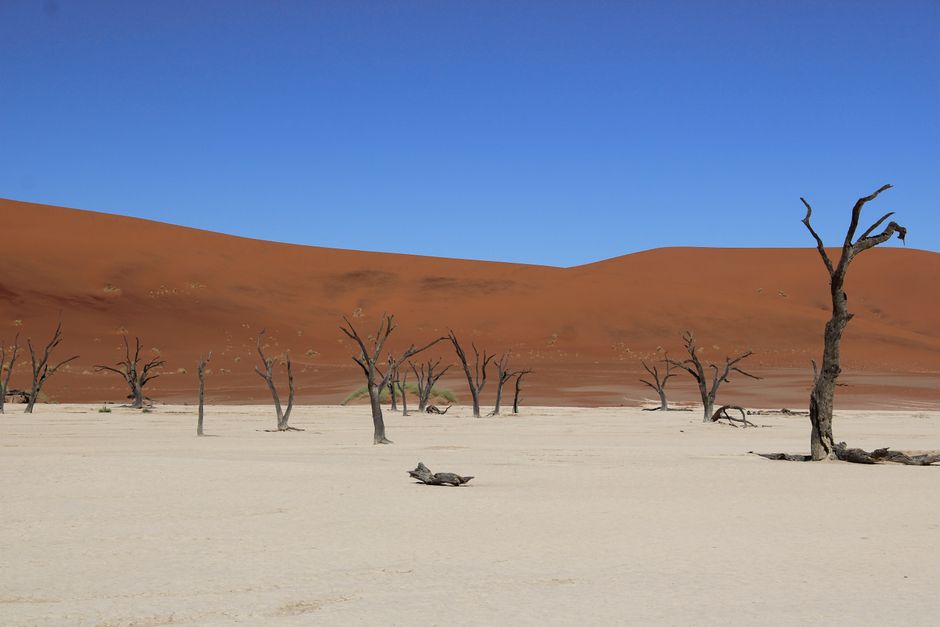
The country remains a premier destination for self-guided or shuttle-based loops, but the logistics have evolved. Many visitors still assume entry is free, a misconception that leads to surprises at immigration. For those visiting Namibia from the US, the landscape offers a mix of arid desert, coastal towns, and capital city culture. The driving distances are substantial, often requiring five to six hours between major stops. This transit time is not wasted; it provides a gradual transition from grasslands to red dunes, a visual shift that defines the journey.
What This Means for American Travelers to Namibia
Logistical planning requires a different approach than traditional self-drive safaris. While renting a vehicle offers freedom, it introduces risks of gravel road wear, sparse fuel access, and navigation challenges in remote areas. As an alternative, specialized shuttle services like Go2 connect Windhoek with desert lodges. These vehicles seat roughly ten passengers and fill quickly during peak seasons. The trade-off is a lack of personal vehicle control, but the benefit is arriving at accommodations rested and without the mental fatigue of long-distance driving. Connectivity is another critical factor. Local SIM cards purchased in Windhoek often fail to provide signal in deep desert regions. US tourists in Namibia should expect three to four days without reliable internet once leaving urban centers. This gap requires preparation, as digital maps and emergency contact methods become less effective in isolated zones.
Travel Tips for Americans Visiting Namibia
- Book the Sandwich Harbour 4x4 Tour: This activity offers the highest value for money in Swakopmund, showcasing dunes meeting the Atlantic. Prioritize this expense over upgrading hotel rooms if the budget is tight.
- Select Lodging by Function: Use distinct accommodations for different needs. A high-rise suite in Windhoek works for city stays, while a basic dune camp provides an immersive, power-free night in the desert. Reserve a slower-paced lodge for recovery after active days.
- Prepare for Connectivity Gaps: Download offline maps and emergency numbers before entering the desert. Do not rely on real-time data or cloud-based navigation in remote sectors.
- Verify Visa Status: Confirm the current entry fee structure with the Namibian embassy or official travel advisories. The $96 charge is current as of 2025 and affects all short-term US visitors.
American travelers should check the latest U.S. State Department travel advisory for Namibia before booking.
Source: Los Angeles Times